


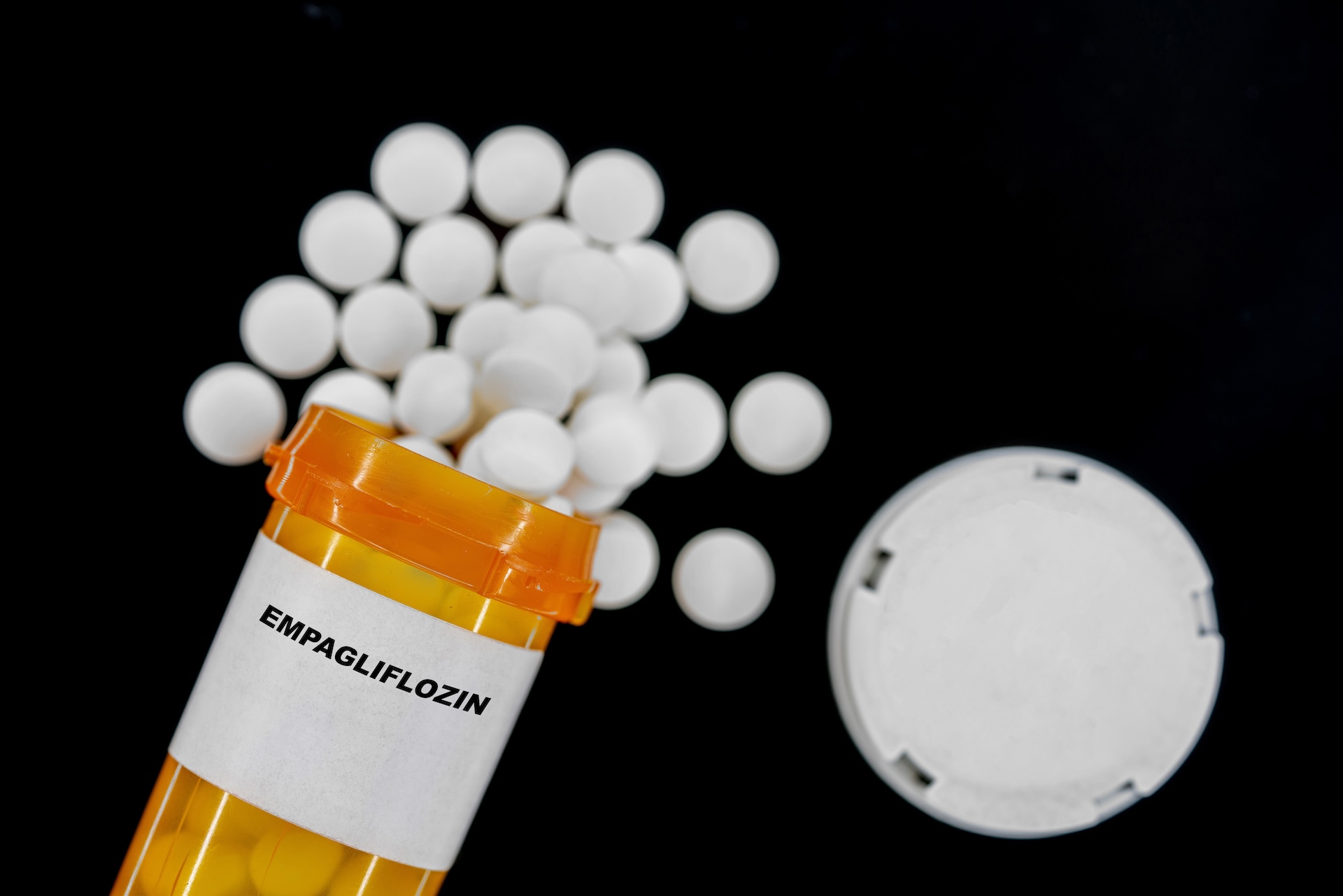
14 Jardiance Side Effects & What to Do About Them



Key Takeaways
- Jardiance (empagliflozin) is an SGLT2 inhibitor used to treat type 2 diabetes and can also help prevent complications from heart failure and chronic kidney disease.
- Common side effects include frequent urination, urinary tract and genital yeast infections, increased thirst, nausea, joint pain, upper respiratory infections, increased cholesterol, and weight loss.
- Serious risks include low blood sugar, dehydration with low blood pressure, ketoacidosis, kidney infections, and serious genital infections, especially when Jardiance is combined with insulin, diuretics, sulfonylureas, or glinides.
- Virta Health offers a medication-free, medically supervised approach to type 2 diabetes management with 1:1 virtual coaching and lifestyle support for people looking for an alternative to Jardiance.
If you have diabetes, your doctor may have suggested Jardiance to you.
The brand name for empagliflozin, Jardiance is an oral daily medication used to manage blood sugar and prevent severe heart failure or chronic kidney disease in adults and children over the age of 10 with type 2 diabetes. It is part of a class of drugs called sodium-glucose co-transporter 2 (SGLT2) inhibitors that work by causing the kidneys to release glucose into the urine so the body doesn’t reabsorb the glucose back into the blood.
Here’s what you need to know about going on Jardiance, what side effects to expect, and how to manage them.
Side effects of Jardiance
Jardiance side effects can be mild to severe, though severe side effects are rare.
Common and mild side effects of Jardiance can include:
- Frequent urination, particularly at night
- Urinary tract infections (UTIs)
- Genital yeast infections
- Increased thirst
- Increased cholesterol
- Weight loss
- Nausea
- Joint pain
- Upper respiratory tract infections
The worst side effects of Jardiance — in other words, the most serious, but less common side effects — include:
- Low blood glucose (hypoglycemia), which exhibits itself with these signs:some text
- Shakiness
- Dizziness
- Sweating
- Dehydration and low blood pressure (to the point of passing out)
- Ketoacidosis (too much acid in the bloodstream)
- Serious UTIs and kidney infections
- Serious genital infections
Contact your healthcare provider if you experience any of the above..
Managing empagliflozin side effects
Here are some tips for preventing and managing Jardiance side effects:
- Stay hydrated (check with your healthcare team about how much fluid you should drink if you have heart failure) and limit how much alcohol you drink.
- Clean your genital area regularly to prevent yeast infections and UTIs.
- If you develop an upper respiratory tract infection, practice self-care by getting plenty of rest, staying hydrated and asking your healthcare provider about over-the-counter cold medications.
- Keep quick acting carbohydrates on hand in the case of low blood sugar, such as: 3-4 glucose tabs, 4 oz. of fruit juice or regular soda, or 5-6 hard candies (not sugar free).
- Talk to your prescriber if you experience joint pain as a side effect. They may recommend applying ice, heat or topical pain relief products to the affected are, as well as oral pain medications..
- Support healthy cholesterol levels by eating foods high in omega-3 fatty acids (fish, seafood, walnuts, chia seeds, flaxseed and fortified foods), exercising regularly, increasing your fiber intake, and not smoking.
- Take Jardiance with meals to reduce your chances of nausea.
What to Avoid While Taking Jardiance
Jardiance can interact with insulin, diuretics and other diabetes medications. If you take any of the medications listed below, talk with your healthcare provider, who may adjust your dosage or recommend more frequent blood tests.
You should also tell your healthcare provider if you:
- Are allergic to any ingredients in empagliflozin tablets.
- Take any prescription or over-the-counter medications.
- Take nutritional supplements, vitamins or herbal products.
Insulin and Certain Diabetes Medications
Jardiance is unlikely to cause low blood sugar (hypoglycemia) on its own. However, taking Jardiance alongside insulin or certain diabetes medications, such as sulfonylureas (like glipizide) or glinides (meglitinides), can increase your risk of hypoglycemia.
Symptoms of low blood sugar may include shakiness, sweating, dizziness, confusion, and rapid heartbeat. Your healthcare provider may adjust your medication dosage or recommend more frequent blood sugar monitoring if you take these medications together.
Diuretics
Also called “water pills,” diuretics can help reduce blood pressure and are often prescribed to people with heart failure. If you take diuretics, a common side effect is having to urinate more frequently. If you take a diuretic and Jardiance together, you may have to urinate even more often than if you took only one of these medications. Urinating too frequently can put you at risk of:
- Dehydration
- Low blood pressure
- Dizziness
Your healthcare provider may still recommend that you take diuretics along with Jardiance, though they will likely monitor your health with regular blood tests.
Alcohol
Drinking alcohol while taking Jardiance may increase the risk of dehydration and low blood sugar, especially when consumed in large amounts or on an empty stomach. Excessive alcohol use may also increase the risk of diabetic ketoacidosis (DKA), a rare but serious side effect. If you drink alcohol, talk with your healthcare provider about what amount may be appropriate for you.
Sugary Foods and Drinks
Jardiance can help lower blood sugar levels, but it does not eliminate the effects of a high-sugar diet. Regularly consuming sugary beverages, desserts, and other highly processed carbohydrates may make it more difficult to manage blood sugar levels. Knowing which foods are more likely to raise blood sugar can help support your treatment goals.
Lithium
Lithium is a medication used to treat certain mental health conditions, such as bipolar disorder. Some reports indicate that Jardiance may cause lithium not to work as well as it should.
Frequently Asked Questions
What is the most common side effect of Jardiance?
The most common side effects of Jardiance are increased urination, urinary tract infections (UTIs), and genital yeast infections. Because Jardiance helps the body remove excess glucose through urine, many people notice they need to urinate more frequently, especially when first starting the medication.
Does Jardiance make you urinate more?
Yes. Jardiance works by helping the kidneys remove excess glucose through the urine, which can increase the amount and frequency of urination. Staying hydrated is important, particularly during hot weather or when exercising.
How long do Jardiance side effects last?
Some side effects, such as increased urination, may improve as your body adjusts to the medication. Others, including UTIs or yeast infections, may require treatment. If side effects are severe, persistent, or worsening, contact your healthcare provider.
What organ is Jardiance hard on?
Jardiance primarily works through the kidneys, but it is not generally considered harmful to them when prescribed appropriately. In fact, Jardiance may help protect kidney function in some people. However, it may not be suitable for individuals with certain kidney conditions, which is why kidney function is typically monitored during treatment.
What is the most serious side effect of Jardiance?
One of the most serious potential side effects of Jardiance is diabetic ketoacidosis (DKA), a rare but potentially life-threatening condition. Symptoms may include nausea, vomiting, abdominal pain, confusion, and difficulty breathing. Seek medical attention right away if you experience symptoms of DKA or another serious reaction.
When should I call my doctor about Jardiance side effects?
Contact your healthcare provider if you experience severe dehydration, symptoms of a urinary tract or genital infection that do not improve, dizziness, fainting, allergic reactions, or symptoms of diabetic ketoacidosis such as nausea, vomiting, abdominal pain, confusion, or difficulty breathing.
Can I stop taking Jardiance because of side effects?
If you're experiencing side effects from Jardiance, talk with your healthcare provider before stopping the medication on your own. Depending on your health history, blood sugar control, and treatment goals, your provider may recommend adjusting your treatment plan, switching medications, or helping you safely discontinue Jardiance if appropriate.
The Takeaway
Jardiance is an FDA-approved medication that helps manage type 2 diabetes, chronic kidney disease and heart failure, though it can also cause side effects. Talk to your doctor about the best way to manage your side effects or about alternative ways to manage your type 2 diabetes, such as Virta. By making healthy lifestyle changes in a medical setting with supportive resources like 1:1 virtual coaching, Virta can help you regain your energy and feel like yourself again. See if you’re eligible for Virta Health here.
This blog is intended for informational purposes only and is not meant to be a substitute for professional medical advice, diagnosis, or treatment. Always seek the advice of your physician or other qualified health provider with any questions you may have regarding a medical condition or any advice relating to your health. View full disclaimer
Are you living with type 2 diabetes, prediabetes, or unwanted weight?
