Healthy Fats for Weight Loss: What to Eat and What to Avoid



Key Takeaways
- Healthy fats such as monounsaturated fats, omega-3s, and whole-food fat sources can support weight loss by improving satiety and helping regulate appetite hormones.
- Fats to limit include trans fats and highly processed fat sources, especially those found in fast food, fried foods, packaged snacks, and sugary processed foods.
- Fat is calorie-dense at 9 calories per gram, so even healthy fats can slow weight loss when portions are too large.
- Virta Health helps people use a well-formulated low-carbohydrate, higher-fat approach that prioritizes quality fats and satiety to support sustainable weight loss.
When it comes to shedding pounds, fat often gets a bad reputation, but not all fats are created equal. Understanding the healthy fats for weight loss can completely shift the way you approach your diet, turning fat into a powerful ally. The right fats can help regulate hunger hormones, support metabolic function, and keep you feeling full and satisfied between meals. At the same time, knowing which fats to limit or avoid is just as important as knowing which ones to embrace. Let’s break down the good fats for weight loss, highlight the dietary villains worth cutting back on, and look at how you can build a smart, effective approach to eating fat.
Can Eating Fat Help You Lose Weight?
Yes, eating fat can absolutely help support weight loss, but the type of fat matters.
Natural fats like those found in olive oil, avocados, and butter can satisfy hunger and help to keep you full, a key advantage when managing calorie intake. Incorporating healthy fats for weight loss works in part because dietary fat triggers the release of appetite-suppressing hormones. Research published in Frontiers in Nutrition shows that fat content in food stimulates the release of cholecystokinin (CCK) from the small intestine, which suppresses appetite by signaling the brain through the vagus nerve. Focusing on good fats for weight loss, particularly monounsaturated fats like those in olive oil, may be especially effective.
In one study, olive oil was associated with greater post-meal hunger-hormone suppression when compared to polyunsaturated fats, like soybean, corn, and safflower oils. The key is choosing the right fats and limiting highly processed foods, particularly those containing trans fats or refined oils combined with added sugars, which may negatively impact metabolic health which can undermine your metabolic health and make weight loss harder.
Good Fats for Weight Loss
Monounsaturated Fats
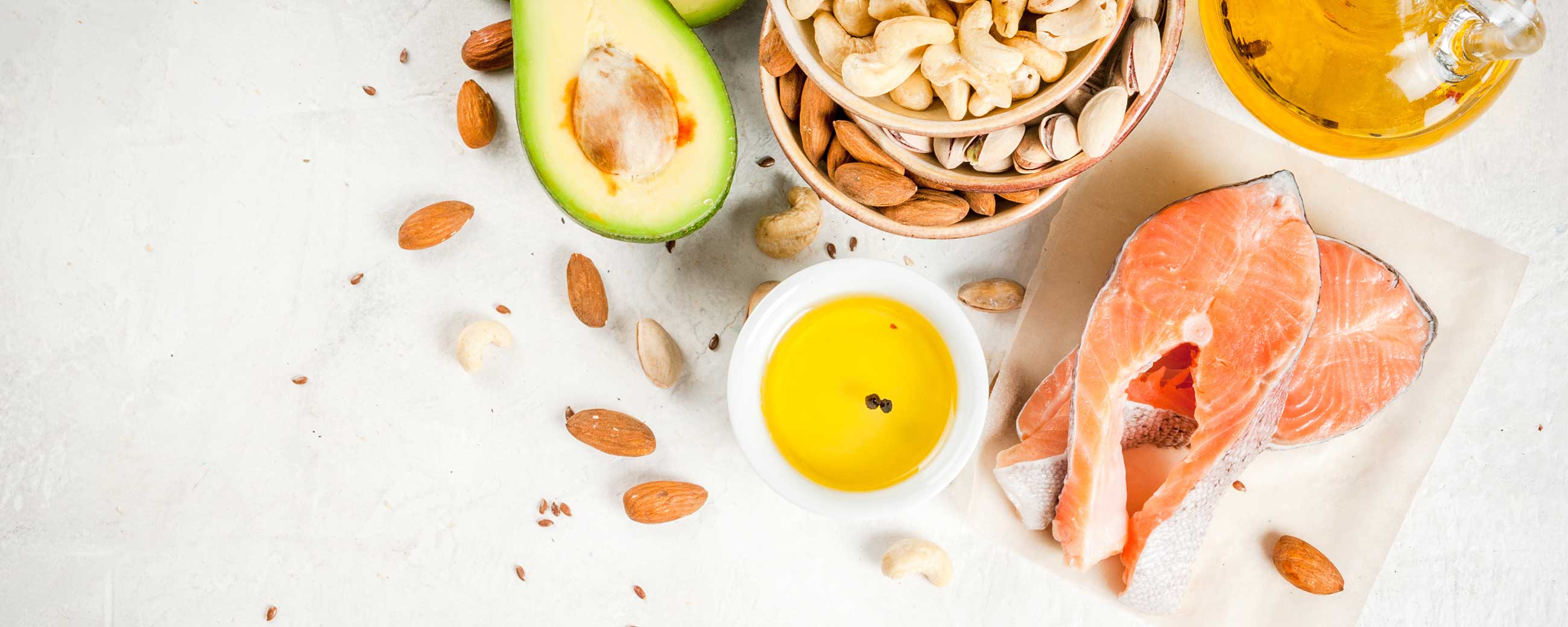
Among the most well-researched healthy fats for weight loss, monounsaturated fats can support satiety and help you feel full after meals.. You'll find them in foods like olive oil, avocados, avocado oil, almonds, cashews, peanuts, peanut butter, and macadamia nuts.
Omega-3 Fats
Omega-3 fatty acids are a powerful category of good fats for weight loss. Known for their ability to reduce inflammation, support brain function, and support insulin sensitivity, Omega-3 fats can play a role in healthy metabolic function. Rich sources include salmon, mackerel, sardines, herring, tuna, flaxseeds, chia seeds, hemp seeds, and walnuts.
Whole-food Fats
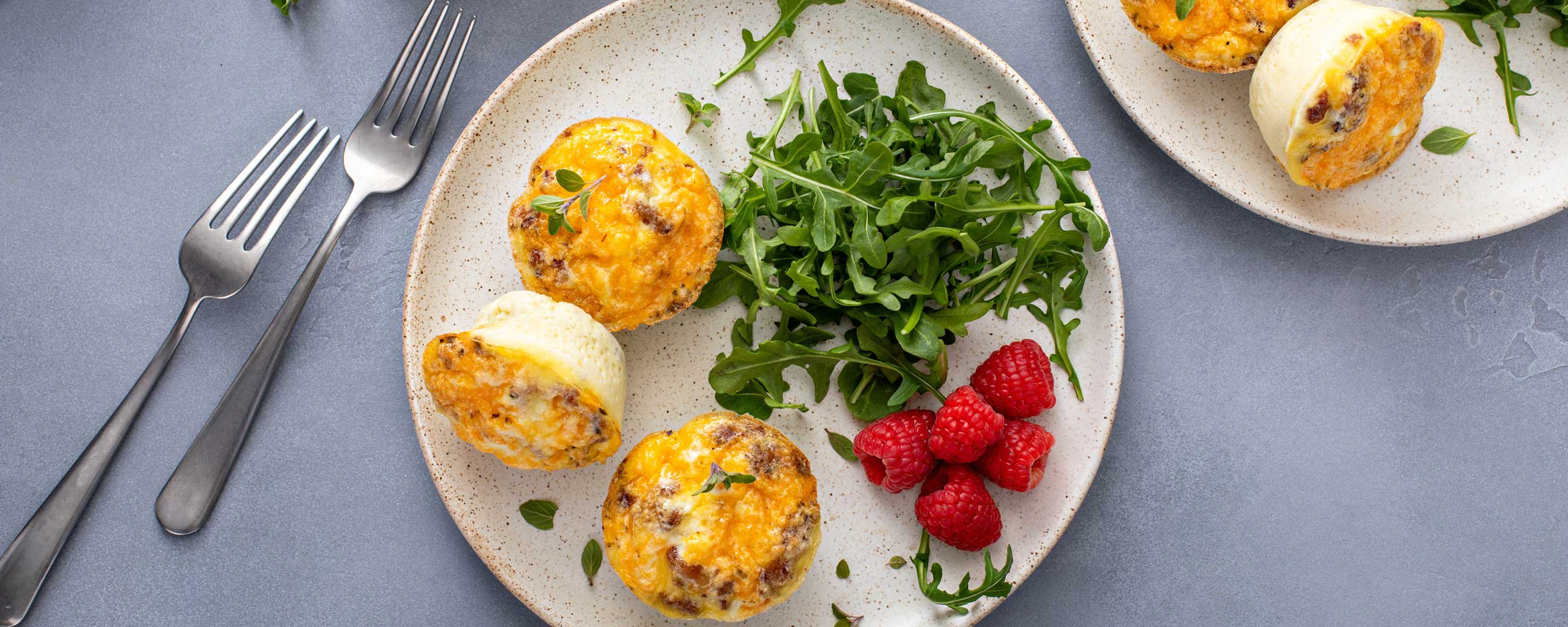
Not all beneficial fats come from oils and fish. Whole-food fats are those found naturally within minimally processed foods, delivering fat alongside a broader package of protein, fiber, vitamins, and minerals that support overall health and satiety. Great examples include eggs, butter, full-fat Greek yogurt, whole milk, cheese, coconut, sunflower seeds, pumpkin seeds, and dark chocolate.
Fats to Limit for Weight Loss
Saturated Fats
This category is one to approach thoughtfully when focusing on healthy fats for weight loss. First of all, saturated fat isn’t a food by itself. Beef, pork, butter, cheese, full fat dairy products, and coconut oil are foods that contain saturated fat and are very nutritious. However, when saturated fat is paired with foods high in sugar and refined carbs (think fast food, pastries, and ice cream) the outcome may contribute to inflammation, making weight and metabolic disease management more difficult.
Trans Fats
Trans fats are the one category that stands in sharpest contrast to good fats for weight loss, offering almost no meaningful nutritional benefit while actively contributing to inflammation, poor cholesterol levels, and increased risk of heart disease. These are the fats most worth avoiding altogether, and show up frequently in fast food, fried foods, margarine, shortening, and processed snacks.
High Calorie Processed Fats
These fats can be tricky because they often hide in condiments and additions that seem minor but can add up quickly in terms of calories and lower-quality ingredients. Dressings, sauces, mayonnaise, and gravy are common culprits, frequently made with refined seed oils and added sugars that can work against your weight loss efforts rather than supporting them.
How Much Fat Should You Eat Per Day to Lose Weight?
There is no one-size-fits-all answer to how much fat to eat for weight loss. The ketogenic approach used in Virta Health's clinical program typically results in a higher proportion of calories from fat combined with moderate protein and low carbohydrates. Rather than prescribing a strict gram target, dietary fat is adjusted to support satiety and individual needs. A well-formulated ketogenic diet emphasizes monounsaturated fats, omega-3s, and whole-food sources of saturated fat, suggesting that both the quality and quantity of fat may play a role.
Healthy Fats for Weight Loss FAQs
Can I lose weight on a high-fat diet?
Yes. Research supports that a high-fat, low-carbohydrate diet can be an effective path to weight loss, particularly when it emphasizes healthy fats for weight loss like those central to Virta Health's program, which produced an average of 10% body weight loss over two years in clinical trials.
What are the best fats to eat to lose weight?
The good fats for weight loss most supported by research are monounsaturated fats like olive oil and avocado, omega-3-rich foods like salmon and chia seeds, and whole-food fat sources like eggs and nuts, all of which help regulate appetite hormones and support metabolic health.
Can eating too much “healthy fat” stall weight loss?
Even the best healthy fats for weight loss are calorie-dense at 9 calories per gram, meaning overconsumption can create a caloric surplus that can slow your progress regardless of fat quality.
Should I avoid fat when trying to lose weight?
No. Avoiding fat entirely is not necessary or advisable, as good fats for weight loss play an essential role in hormone regulation, vitamin absorption, and satiety.
Is 50 grams of fat a day too much?
No. 50 grams of fat per day falls comfortably within the recommended range of 44 to 78 grams daily for a standard 2,000-calorie diet, making it a reasonable and moderate target for most adults pursuing weight loss.
Final Verdict: Are Healthy Fats Good for Weight Loss?
When it comes to losing weight, fat is far from the enemy. The right kinds of fat, including monounsaturated fats, omega-3s, and whole-food sources, can actively support your goals by regulating hunger hormones, promoting satiety, and supporting healthy metabolic function. Incorporating healthy fats for weight loss into your diet while limiting trans fats and overly processed options can give your body the tools it needs to manage appetite and sustain energy without the blood sugar swings that can derail progress. Whether you're following a moderate dietary approach or a more fat-forward ketogenic strategy, the evidence suggests good fats for weight loss can be a meaningful part of a smarter, more sustainable path to a healthier weight. The key, as always, is prioritizing quality, staying mindful of overall calorie intake, and letting whole, minimally processed fat sources do the heavy lifting.
This blog is intended for informational purposes only and is not meant to be a substitute for professional medical advice, diagnosis, or treatment. Always seek the advice of your physician or other qualified health provider with any questions you may have regarding a medical condition or any advice relating to your health. View full disclaimer
Are you living with type 2 diabetes, prediabetes, or unwanted weight?