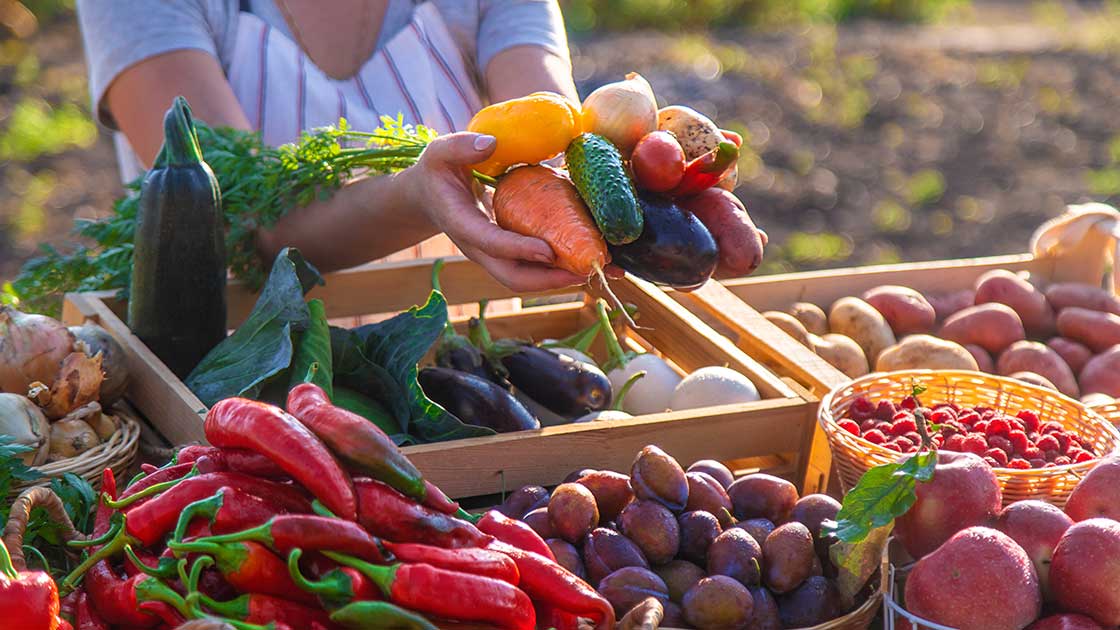
Low-Carb Vegetables: The Best Veggies to Eat on a Low-Carb Diet




Key Takeaways
- Non-starchy vegetables such as spinach, broccoli, zucchini, cauliflower, celery, and peppers are the best choices for a low-carb diet because they are lower in digestible carbs and higher in fiber and water.
- Starchy vegetables like potatoes, sweet potatoes, corn, peas, and winter squash contain more carbs and can raise blood sugar more quickly, so portion control matters.
- Leafy greens and watery vegetables are among the lowest-carb options, and cauliflower and zucchini work well as substitutes for rice, pasta, mashed potatoes, and lasagna noodles.
- Virta Health supports people with type 2 diabetes using medical care, 1:1 virtual coaching, and practical low-carb strategies that make it easier to build meals around non-starchy vegetables.
Low-carb eating often comes down to choosing the right vegetables. Virta member Victor found success making healthy swaps using low-carb produce like cauliflower and zucchini.
“I love swapping out my old, unhealthy favorites for new versions,” he says. “Cauliflower and zucchini are my new friends — I use them to make low-carb replacements for rice and pasta! I’ve learned to make a convincing and delicious lasagna using thin strips of zucchini in place of the sheets of pasta, and I love making zucchini noodles with marinara sauce.”
Most non-starchy veggies fit easily into a low-carb lifestyle, while starchy vegetables can raise your blood sugar more quickly. This guide explains the difference between starchy vs. non-starchy vegetables, a low-carb vegetables list and easy swaps to keep your meals satisfying.
What Counts as a Low-Carb Vegetable?
Low-carb veggies are typically non-starchy vegetables with low digestible carbohydrates.
It’s helpful to know the difference between total carbs and net carbs. Total carbs include fiber. Fiber isn’t fully digested and often has a smaller effect on blood sugar. Net carbs = total carbs minus fiber, resulting in a lower carb count.
You may choose to track either total carbs or net carbs, depending on your goals and your healthcare provider’s recommendations.
Starchy vs. Non-Starchy Vegetables
So, what’s the difference between starchy and non-starchy vegetables?
Starchy Vegetables
Characteristics: Higher in carbs and calories; lower in fiber and water by volume
Examples: Potatoes, sweet potatoes, corn, peas and winter squash
Dietary function: Provides more energy, but can have a bigger impact on blood sugar, making portion control important, especially for people with type 2 diabetes
Starchy vegetables aren’t “off limits,” but they’re easier to overdo than lower-carb, non-starchy veggies.
Non-Starchy Vegetables
Characteristics: Lower in carbs and calories; higher in fiber, water and nutrient density by volume
Examples: Broccoli, spinach, zucchini, celery, peppers, green beans
Dietary function: Great for adding volume and fiber to meals, managing weight and stabilizing blood sugar (volume + fiber helps you feel fuller with fewer carbs)
Non-starchy vegetables are a great base for low-carb meals. Fill half your plate with non-starchy veggies, then add protein and healthy fat.
Best Low-Carb Vegetables (Non-Starchy Vegetables List)
Leafy Greens
- Spinach: Use in salads or omelets; sauté with butter or olive oil
- Lettuce: Use for wraps or taco boats; swap for burger buns
- Kale: Great when massaged for salad or for baked kale chips
- Arugula: Use as a peppery-tasting salad base or topping
- Swiss chard: Sauté with garlic, lemon and butter or olive oil
Use leafy greens in soups, as a wrap instead of a tortilla or as a salad base instead of pasta or rice.
Cruciferous Vegetables
- Broccoli: Roast on a sheet pan or serve raw with a low-carb dip
- Cauliflower: Rice, mash, roast or use as a pizza crust alternative
- Cabbage: Use for slaws, stir-fries or even noodle swaps when thinly sliced
- Brussels sprouts: Roast or air-fry; slice them raw for a crunchy salad base
Other Non-Starchy Low-Carb Veggies
- Zucchini: Make zucchini noodles (“zoodles”), gril or use as lasagna layers
- Cucumber: A crunchy snack or base for a salad
- Asparagus: Roast on a sheet pan or serve raw in a salad
- Celery: An ideal crunchy crudité for low-carb dips; stuff with nut butter or tuna salad
- Bell peppers: Excellent for fajitas or low-carb stuffed peppers (stuff with cauliflower rice instead of white rice)
- Green beans: Delicious roasted or sauteed
- Mushrooms: Adds an umami, “meaty” texture; great in skillet meals; use a portobello mushroom cap as a swap for hamburger buns
- Artichokes: Use in dips and salads
- Radishes: Dunk into low-carb dressings, sauces and dips; slice on top of salads
Vegetables to Limit on a Low-Carb Diet
When on a low-carb diet, limit starchy veggies like:
- Potatoes
- Sweet potatoes
- Corn
- Peas
- Winter squash (such as butternut or acorn squash)
These vegetables still contain nutrients and fiber, but they are starch-dense, making it easier to exceed your carb targets. Choose smaller portions and pair with protein and fat to avoid a big blood sugar spike.
FAQs About Low-Carb Veggies
Can you eat unlimited vegetables on low carb?
Most people can eat generous amounts of non-starchy vegetables. “Unlimited” can backfire, however, if you’re eating lots of higher-carb veggies (like potatoes) or onions and tomatoes, depending on your carb target. It’s also important to be mindful of sauces and dressings that can add sneaky carbs, such as ketchup, barbecue sauce or sweetened salad dressings.
Are frozen vegetables low-carb?
Yes, frozen plain vegetables are nutritionally similar to fresh. It can be helpful to keep frozen spinach, broccoli and cauliflower on hand for quick, healthy meals. Again, watch for added sauces, seasoning blends and breading that can increase your carb count.
Do low-carb vegetables affect blood sugar?
Non-starchy vegetables typically have a smaller, slower impact on blood sugar due to their fiber content and lower digestible carbs. However, individual responses vary. If you’re managing diabetes or taking glucose-lowering medication, monitor your blood glucose as you change your carb intake.
Which vegetable is lowest in carbs?
Leafy greens (like spinach, arugula and lettuce) and watery vegetables (like cucumbers or celery) are among the lowest per serving.
Are carrots low in carbs?
Carrots are higher in carbs than leafy greens, but can still fit into many low-carb plans in moderate portions. Use carrots to add flavor and crunch to your meals, but keep non-starchy veggies as the base.
Low-carb veggie recipes
Check out these Virta member-favorite low-carb veggie recipes for meal inspiration:
- Cheesy portobello mushrooms
- Zucchini lasagna
- Air fryer garlic parm brussels sprouts
- Cauliflower mac and cheese
- Mashed cauliflower with garlic and chives
- Zucchini fries
The Takeaway
While both non-starchy and starchy vegetables can fit into a healthy diet, opting for non-starchy vegetables more often can help if you’re following a low-carb meal plan.
If you are diagnosed with type 2 diabetes and want to live a healthier lifestyle, Virta Health may be able to help. By making healthy lifestyle changes in a medical setting with supportive resources like 1:1 virtual coaching, you can regain control of your health and feel like yourself again. See if you’re eligible for Virta Health here.
This blog is intended for informational purposes only and is not meant to be a substitute for professional medical advice, diagnosis, or treatment. Always seek the advice of your physician or other qualified health provider with any questions you may have regarding a medical condition or any advice relating to your health. View full disclaimer
Are you living with type 2 diabetes, prediabetes, or unwanted weight?