What to Eat When You Have Diarrhea



Key Takeaways
- Diarrhea can lead to dehydration and electrolyte loss, making fluids and foods rich in sodium and potassium important for recovery.
- Focus on replacing lost fluids and electrolytes when you have diarrhea, and choose bland, low-fiber foods your body can tolerate.
- Reintroducing protein during recovery helps support energy levels, tissue repair, and overall nutrition without overburdening the digestive system.
- With personalized nutrition guidance and one-to-one coaching, Virta Health helps people improve digestive health while addressing the metabolic conditions that can contribute to chronic inflammation and poor overall health.
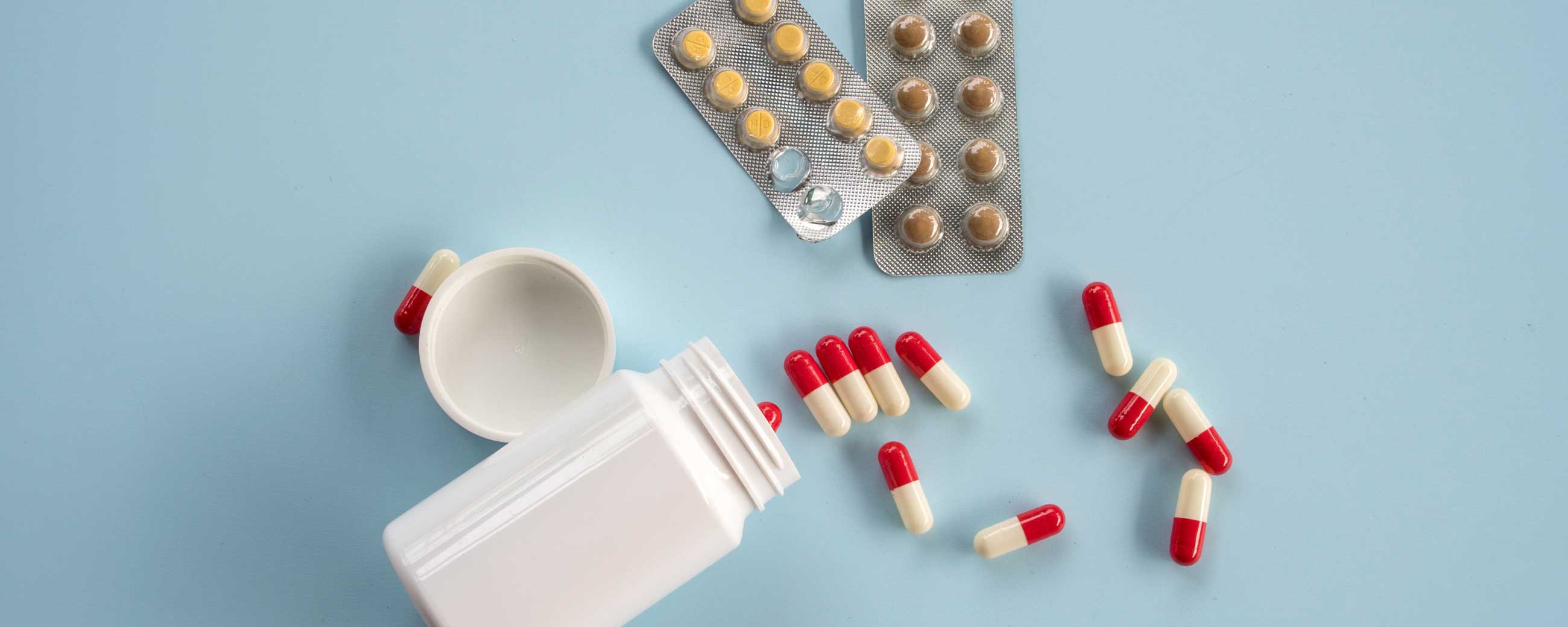
If you’re dealing with a bout of diarrhea, you want fast relief and it can be helpful to know which foods are easier on the stomach and which can make diarrhea worse. Diarrhea can be caused by an infection, food intolerance or even certain medications like metformin or GLP-1s.
This was the case for Virta member Lester, who experienced diarrhea as a side effect of his diabetes medications. With the help of a Virta Health clinician, Lester was able to reduce his dependency on diabetes medications while losing weight, making his issues with medication-induced diarrhea a thing of the past.
Here’s what you need to know about the best-tolerated foods, how to stay hydrated and when to see a doctor for diarrhea.
Best Foods for Diarrhea
If you have diarrhea, you’ll want to focus on two priorities:
- Replacing lost fluids and electrolytes.
- Choosing simple foods your body can tolerate.
Hydrating Foods & Drinks
Many short bouts of diarrhea improve within a few days, but dehydration is a top concern. Aim for eight to 10 glasses of clear fluids (ideally water) daily. And every time you have a loose bowel movement, drink a cup of fluid like:
- Water
- Broth or broth-based soups like chicken noodle soup
- Oral rehydration solutions
- Electrolyte drinks or sugar-free sports drinks in moderation
If you’re nauseated, take small, frequent sips of water, instead of trying to drink an entire glass at a time.
Bland, Low-Fiber Foods
You don’t have to force yourself to eat if you have diarrhea, but when you feel able to eat, bland, low-fiber, easy-to-digest foods are a good place to start. Try:
- Skinless turkey or chicken breast
- Eggs
- Tofu
- Baked fish without oils or seasonings
- Well-cooked vegetables like asparagus or green beans
- Plain Greek yogurt
Some higher-carb options (like plain rice, toast, crackers or oatmeal) can also be helpful if you have diarrhea, but they can conflict with your carbohydrate goals. Ask your healthcare provider or Virta clinician about what’s right for you.
Foods to Avoid When You Have Diarrhea
Some foods increase gut motility, pull more water into the bowel or are harder to digest when your gut is irritated. If you have diarrhea, avoid:
- Dairy products: Lactose in milk and cheese can be harder to digest during and after diarrheal illness.
- Fatty/fried foods: Greasy foods like pizza, takeout, fried foods and creamy dishes can worsen your symptoms.
- Spicy foods: Spicy foods can irritate the digestive tract and worsen cramping and urgency.
- Coffee and caffeinated drinks: Caffeine can exacerbate symptoms.
- Sugary food and drinks: Candy, fruit juice, soda and other sweets (including sugar alcohols like sorbitol and xylitol) can worsen diarrhea.
- Alcohol: Alcoholic drinks can irritate your gut and worsen dehydration.
Other Tips for Stopping Diarrhea
In addition to being mindful about what you eat and drink, the following can help you feel better:
- Get plenty of rest.
- Eat small meals.
- Take small, frequent sips of fluids.
- Gradually return to your usual diet as symptoms improve.
Call your healthcare provider if you have:
- Bloody diarrhea.
- Diarrhea lasting more than two to three days.
- A fever above 102 degrees F.
- Frequent vomiting.
- Signs of dehydration like urinating less, dry mouth and dizziness.
Pregnant people, older adults, immunocompromised individuals and those with chronic conditions may need help sooner.
What Foods Are Good for Diarrhea?
Here are quick answers to common questions about how specific foods interact with the body when you have diarrhea.
Is yogurt good for diarrhea?
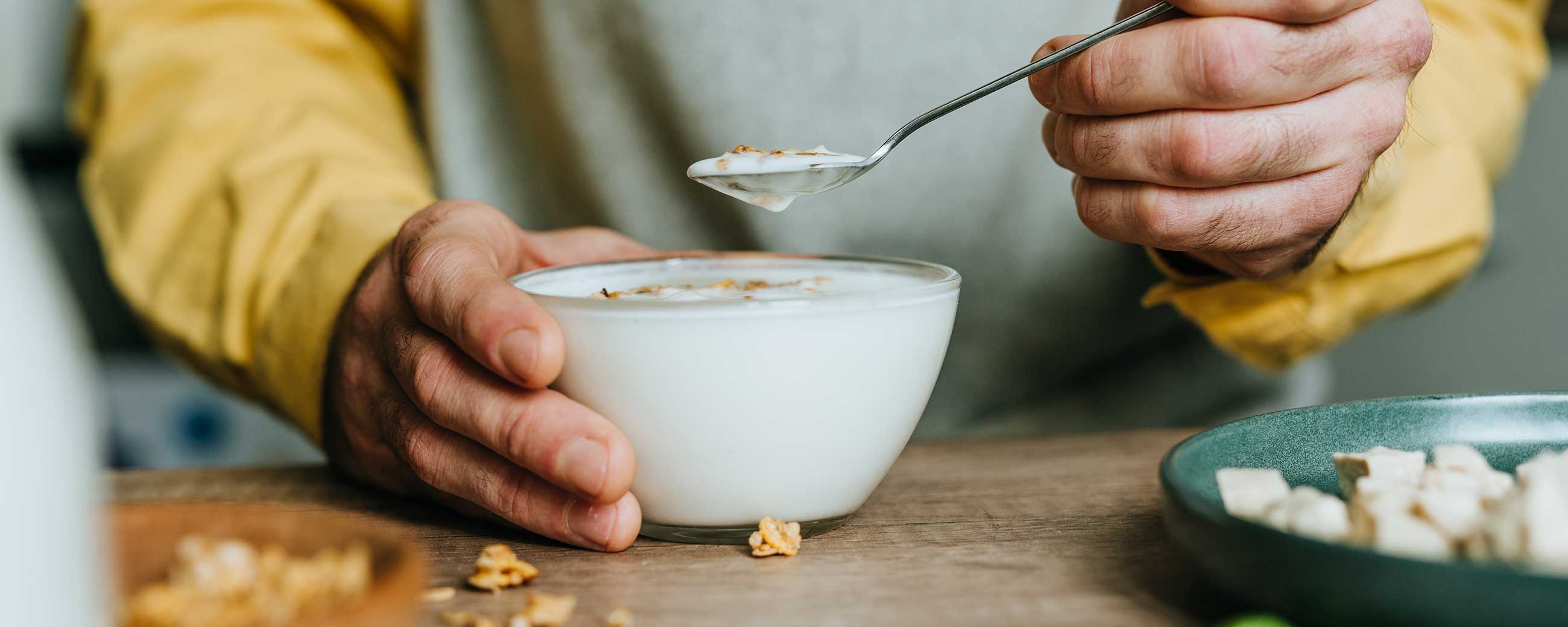
Sometimes, but not always. Some people tolerate yogurt better than milk because fermentation reduces lactose. Additionally, probiotics found in many yogurts can sometimes help cases of diarrhea. Plain yogurt may be worth trying in small amounts if you can usually tolerate dairy, but skip it if dairy worsens your symptoms.
Is oatmeal good for diarrhea?
Plain oatmeal can help with diarrhea, but it’s higher in carbohydrates, so it’s not the best option if you’re following a low-carb diet.
Is peanut butter good for diarrhea?
Maybe in a small amount, but it’s not your best option since it’s higher in fat than other bland, diarrhea-friendly options.
Is banana good for diarrhea?
Bananas are frequently recommended for diarrhea because they are soft, bland and easy to eat, but it’s important to pay attention to your carb counts.
Is Gatorade good for diarrhea?
Gatorade can help replace some electrolytes and fluids, but oral rehydration solutions are a better option. Gatorade can also be high in sugar, which can worsen symptoms. Consider a sugar-free sports drink instead.
Is chicken noodle soup good for diarrhea?
Usually, yes, since it provides fluid, sodium and is easy to tolerate. However, make sure to check the nutritional data to make sure it aligns with your dietary goals.
Is ginger ale good for diarrhea?
It’s not your best bet, as fizzy or sugary drinks can make diarrhea worse.
Is apple juice good for diarrhea?
Fruit juice can make symptoms worse, so skip apple juice and opt for water or broth instead.
Is applesauce good for diarrhea?
Yes, applesauce is usually well-tolerated, though it’s important to be mindful of your carb and sugar count when consuming fruit.
The Takeaway
If you have diarrhea, focus on hydration first, then add bland foods as tolerated. Avoid alcohol, spicy foods, fatty foods, caffeine and sugary foods and drinks until you feel better.
If you are diagnosed with type 2 diabetes and want to live a healthier lifestyle, Virta Health may be able to help. By making healthy lifestyle changes in a medical setting with supportive resources like 1:1 virtual coaching, you can regain control of your health and feel like yourself again. See if you’re eligible for Virta Health here.
This blog is intended for informational purposes only and is not meant to be a substitute for professional medical advice, diagnosis, or treatment. Always seek the advice of your physician or other qualified health provider with any questions you may have regarding a medical condition or any advice relating to your health. View full disclaimer
Are you living with type 2 diabetes, prediabetes, or unwanted weight?