7 Best Vegetarian and Vegan Protein Sources for Daily Protein Goals



Whether you follow a vegan or vegetarian diet or simply want to add more plant-based foods into your diet, the right protein choices can help you stay full, support muscle mass maintenance and make your meals more satisfying.
Virta member Bill reached his health goals while maintaining his vegan diet, noting that Virta gave him plenty of blood sugar-friendly, plant-based recipes. So don’t think just because you’re a vegetarian or vegan, a low-carb, protein-rich diet is off the table.
What Counts as Plant-Based Protein?
Plant-based proteins come from plant sources, including soy, legumes, beans, lentils, peas, nuts, seeds, whole grains and plant-based protein powders.
Why Protein Matters for Metabolic Health and Muscle
Protein is an essential macronutrient that helps the body build and maintain muscle and can support satiety. Getting enough protein may be especially important during weight loss or when appetite is reduced, including for some people taking GLP-1 medications. If you are following a lower-carbohydrate eating pattern, using a GLP-1 medication, or managing type 2 diabetes, talk with your coach or Virta clinician about how to balance protein intake with your individual nutrition goals.
Plant-based protein sources tend to be lower in protein and higher in carbohydrates than animal-based sources, so it’s important to be intentional about your daily intake. Here’s how to know if you’re getting enough protein each day. And be sure to talk to your healthcare provider or Virta clinician about balancing plant-based protein with your carbohydrate goals.
7 Best Plant-Based Protein Sources
Protein amounts can vary based on the portion size, brand and preparation, so check your nutrition labels when you’re tracking your protein intake.
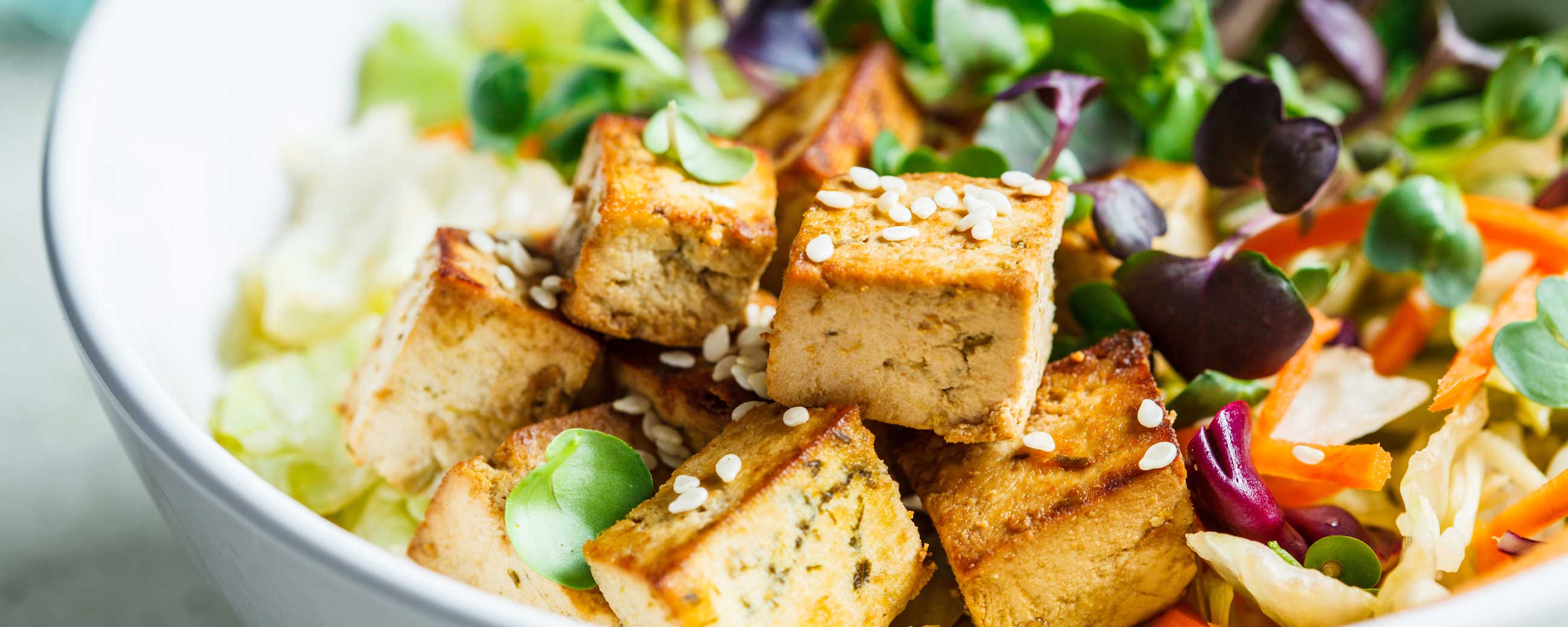
Tofu and tempeh
Tofu and tempeh, which come from soy, are considered complete proteins, meaning they contain the essential amino acids the body doesn’t produce on its own and must get from food sources. Tofu and tempeh can replace meat in bowls, stir-fries, scrambles, salads and lettuce wraps. However, make sure to check the nutritional data, preferring low-carb tofu when possible, especially if you’re on a ketogenic diet.
Edamame
Edamame is also a soy-based source of protein. It works well as a snack, bowl ingredient or salad topper.
Hemp seeds
Hemp seeds can add protein, healthy fat and fiber to smoothies, yogurt, salads and chia pudding.
Pea protein
Pea protein is a protein powder made from yellow split peas. It’s low in methionine, one of the essential amino acids, so it’s important to continue to eat a wide range of plant proteins in your diet to get all the nutrients you need.
Pea protein is easy to incorporate into your diet in smoothies or yogurt bowls.
Chia seeds
Chia seeds contain protein and fiber and work well in chia pudding, yogurt and smoothies.
Nuts and nut butters
While nuts and nut butters aren’t considered complete proteins, they do contain plant protein, healthy fats and flavor. However, nuts and nut butters are often relatively high in carbohydrates, which means they should be consumed only in moderation, especially if your goal is to lose weight or manage a metabolic condition like type 2 diabetes.
Beans and lentils
Lentils, black beans, pinto beans, chickpeas, kidney beans and navy beans provide fiber and protein. Beans and lentils work well in bowls, stir-fries, soups, chilis, stews and salads.
If you’re on a lower-carb diet, talk to your healthcare provider or dietitian about how to fit them into your meal plan.
Plant-Based Protein FAQs
How to get enough protein on a plant-based diet?
Build your meals around one higher-protein choice like tofu, tempeh, lentils, beans, plant-based protein powder or even vegetarian options like cottage cheese or Greek yogurt (while not plant-based, they’re still a good choice for vegetarians). Then add boosters like nuts and seeds, making sure to always keep an eye on carb counts
Can you build muscle with plant-based protein?
Yes, with enough total protein, calories and resistance training. Some plant proteins may be lower in one or more amino acids, so variety matters.
Is tofu a complete protein?
Yes, tofu is considered a complete protein.
Is peanut butter a complete protein?
No, peanut butter is not considered a complete protein.
What are the highest protein vegan foods?
The highest protein vegan foods include tempeh, tofu, edamame, lentils, beans, hemp seeds, pea protein and plant-based protein powders.
Is plant-based protein as effective as animal protein?
It can be, but it requires more planning. Animal proteins are often complete proteins, while plant proteins are lower in one or more essential amino acids. A varied plant-based diet can help you still meet your protein and amino acid needs.
Which beans have the most protein?
Good options include black beans, navy beans, chickpeas, pinto beans and kidney beans. Just be mindful of your carbohydrate intake when eating beans and lentils, since the carbs can add up if you don’t monitor them carefully.
The Takeaway
You can hit your protein goals with plant-based foods. The easiest path is to choose higher-protein options first, such as tofu, tempeh, lentils, beans, edamame, plant-based protein powders, and, if you’re vegetarian, dairy sources like Greek yogurt and cottage cheese.
If you want to lose weight or manage a metabolic condition like type 2 diabetes on a vegetarian or vegan diet, Virta Health may be able to help. By making healthy lifestyle changes in a medical setting with supportive resources like 1:1 virtual coaching, you can regain control of your health and feel like yourself again. See if you’re eligible for Virta Health here.
This blog is intended for informational purposes only and is not meant to be a substitute for professional medical advice, diagnosis, or treatment. Always seek the advice of your physician or other qualified health provider with any questions you may have regarding a medical condition or any advice relating to your health. View full disclaimer
Are you living with type 2 diabetes, prediabetes, or unwanted weight?