


Natural GLP-1 Boosters: The Best Foods & Supplements for Satiety



Key Takeaways
- GLP-1 is a gut hormone that helps you feel full, slows digestion, and supports blood sugar control.
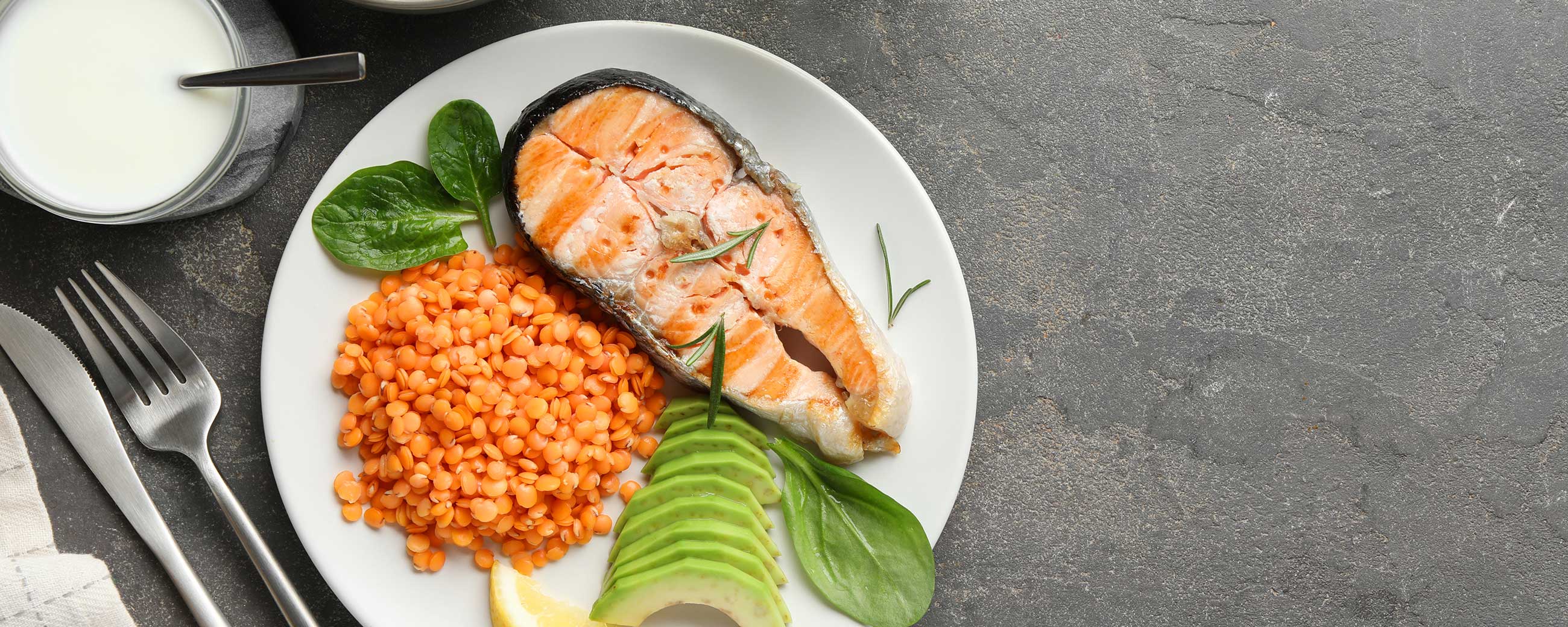
- High-fiber foods, protein-rich foods, healthy fats, fermented foods, and polyphenol-rich foods can support natural GLP-1 activity and satiety.
- Prebiotic fiber, probiotics, berberine, green tea extract, and whey protein are common supplements used to support natural GLP-1, along with mindful eating, regular exercise, and adequate sleep.
- Virta Health helps people use medically supervised nutrition and lifestyle changes to improve weight and metabolic health, including blood sugar management and appetite control.
Glucagon-like peptide-1 (or GLP-1) is a naturally occurring hormone produced in your gut after you eat. Its primary job is to tell your brain you are full, slow down how fast food leaves your stomach (slowing digestion), and encourage your pancreas to release insulin to manage blood sugar. Natural GLP-1 is a key player in regulating your appetite and maintaining a healthy metabolic balance.
GLP-1s have become a popular topic because of their important role in appetite regulation, blood sugar balance, and overall metabolic health. While medications that influence this hormone often dominate the headlines, are there ways to support natural GLP-1 through everyday choices? In this post, we’ll explore how specific foods, supplements, and behavioral changes may help encourage natural GLP-1 production. These strategies can offer a more holistic way to support your health goals for the long haul.
The Difference Between GLP-1 and GLP-1 Medications
While the body naturally produces GLP-1, GLP-1 drugs (like Ozempic or Wegovy) are synthetic compounds designed to mimic or enhance the effects of this natural hormone. The key difference is potency and duration: the natural hormone is quickly broken down by the body, whereas synthetic medications are much more resistant to breakdown, allowing them to stay active in your system for days or even weeks. This sustained action leads to a far stronger effect on appetite suppression and blood sugar control than what the body can achieve naturally, which is why these medications are highly effective treatments for type 2 diabetes and obesity.
How Do GLP-1s Help with Weight Loss?
GLP-1s can support weight loss by helping you feel fuller for longer, slowing digestion, and reducing overall appetite. They also play a role in stabilizing blood sugar levels, helping curb energy crashes and cravings that can derail progress. Because of these benefits, many people want to know how to increase GLP-1 naturally through food choices, lifestyle habits, and other non-pharmaceutical approaches. When GLP-1 is boosted, weight loss efforts can often feel more manageable and sustainable.
The Best Foods That Increase Natural GLP-1
1. High-Fiber Foods
High-fiber foods like non-starchy vegetables and berry fruits feed beneficial gut bacteria and produce short-chain fatty acids that can help prompt natural GLP-1 and satiety, with research showing fermentable fiber increases GLP-1 release in humans and animals.
2. Protein-Rich Foods
Protein-rich foods such as meats, eggs, nuts, and cheese can enhance feelings of fullness and can support natural GLP-1 activity by stimulating gut hormone responses after meals.
3. Healthy Fat Sources
Healthy fats from sources like olive oil, nuts, avocados, and full fat dairy products slow digestion and may boost natural GLP-1 activity through mechanisms involving fatty acid receptors linked to gut hormone release.
4. Fermented Foods
Fermented foods such as yogurt, kefir, and sauerkraut support gut health and microbial balance, which is believed to contribute to natural GLP-1 signaling and overall digestive-hormone health.
5. Polyphenol-Rich Foods
Polyphenol-rich foods like berries, dark chocolate, and green tea contain bioactive compounds that may help prolong natural GLP-1 activity by supporting gut microbiota and metabolic pathways linked with hormone regulation.
Supplements That Boost GLP-1 Naturally
1. Prebiotic Fiber
Prebiotic fiber supplements like inulin and fructooligosaccharides serve as food for beneficial gut bacteria, which can increase production of short-chain fatty acids that can stimulate GLP-1 secretion, making them a viable choice if you’re considering a GLP-1 supplement approach.
2. Probiotics
Probiotic supplements introduce live beneficial microbes that may help balance the gut microbiome and can support increased natural GLP-1 signaling through the gut.
3. Berberine
Berberine is a plant-derived compound often used as a GLP-1 supplement because research suggests it may stimulate GLP-1 secretion and improve glucose metabolism, though much of the evidence so far comes from laboratory, animal, and smaller human studies rather than large clinical trials.
4. Green Tea / EGCG
Green tea extract high in Epigallocatechin gallate (EGCG) is another popular GLP-1 supplement. Studies show EGCG can enhance GLP-1 activity and prolong its effects by inhibiting the enzyme that breaks down the hormone, and research on EGCG-whey protein combinations also demonstrates increased GLP-1 secretion.
5. Whey Protein
Whey protein powder is also used as a GLP-1 supplement because it contains bioactive compounds that may slow the breakdown of GLP-1 and stimulate stronger hormone responses after meals, helping with appetite control and post-meal fullness.
Lifestyle Habits That Boost Natural GLP-1
- Eating slowly and mindfully: This can help stimulate satiety pathways, allowing your body to recognize fullness and avoid overeating.
- Prioritizing protein at breakfast: Can cause a higher natural GLP-1 response throughout the day.
- Regular exercise: Aerobic and strength training exercise can both support improved natural GLP-1 signaling.
- Adequate sleep: Poor sleep can disrupt GLP-1 and other appetite hormones.
What to Limit
- Sugary and ultra-processed foods – Diets high in added sugars and refined carbs are linked to reduced post-meal GLP-1 responses and poorer glucose control, especially in individuals with obesity. High sugar intake can blunt natural GLP-1 secretion and worsen insulin resistance.
- Low-fiber eating patterns – Poor intake of fiber and prebiotic carbs can limit the production of short-chain fatty acids in your gut, which are important signals for stimulating natural GLP-1 release.
- Erratic eating and skipping meals – Irregular meal timing can blunt the body’s ability to properly secrete digestive hormones in response to food, which can weaken hunger and fullness signals to your body.
- Sedentary lifestyle & poor sleep – Chronic inactivity and disrupted sleep patterns can negatively affect gut-brain communication and may reduce the effectiveness of natural GLP-1 release and appetite regulation.
Focusing on whole foods and consistent, balanced habits supports your body’s ability to regulate natural GLP-1 and other key metabolic hormones.
The Takeaway
GLP-1 plays a key role in weight management by helping you feel fuller, slowing digestion, and stabilizing blood sugar, making appetite control more manageable. One of the most effective ways to support natural GLP-1 is through selecting supportive GLP-1 foods like high-fiber grains, protein-rich meals, healthy fats, fermented foods, and polyphenol-rich choices that enhance hormone activity and gut health. GLP-1 Supplements like prebiotic fiber, probiotics, berberine, green tea extract, and whey protein can further boost natural GLP-1 signaling. Combined with mindful eating, exercise, adequate sleep, and avoiding sugary, ultra-processed foods, these strategies can help you maintain steady GLP-1 levels and support sustainable weight loss.
If you would like to live a healthier lifestyle, lose weight, or manage a metabolic condition like diabetes, Virta Health may be able to help. By making healthy lifestyle changes in a medical setting with supportive resources like 1:1 virtual coaching, you can regain control of your health and feel like yourself again. See if you’re eligible for Virta Health here
This blog is intended for informational purposes only and is not meant to be a substitute for professional medical advice, diagnosis, or treatment. Always seek the advice of your physician or other qualified health provider with any questions you may have regarding a medical condition or any advice relating to your health. View full disclaimer
Are you living with type 2 diabetes, prediabetes, or unwanted weight?
