7 Easy Ways to Increase Your Protein Intake



Key Takeaways
- Protein supports muscle maintenance, metabolic health, blood sugar regulation, and satiety, making it an important part of a healthy diet.
- Including a source of protein at every meal and snack can help increase daily protein intake without requiring major dietary changes.
- High-protein foods such as eggs, Greek yogurt, seafood, meat, legumes, tofu, nuts, and seeds can help people meet their protein goals while supporting overall health.
- With one-to-one coaching and personalized nutrition care, Virta Health helps people optimize protein intake while addressing the root causes of obesity, prediabetes, and type 2 diabetes.
Eating enough protein sounds simple, but if your appetite is low or your meals are smaller (for example, because you’re on a diet or taking a GLP-1 like Ozempic or Zepbound) it can feel difficult to hit your protein goal each day.
Protein is an essential macronutrient that supports your muscle mass, immune system, cells, bones, hair and nails, so it’s important to make sure you’re consuming enough. It can also support healthy weight loss by keeping you full for longer after meals.
Virta member Donna lost 100 pounds and “never had to go hungry” on her Virta plan because she focused on getting enough protein, fiber and healthy fats throughout the day. But how much is enough protein, and what are some smart ways to up your protein intake?
How Much Protein Do You Really Need?
The exact number of protein you need will depend on your weight, age, activity level, medications and weight loss goals. The general recommendation is 1.2 to 2.0 grams of protein per kilogram of body weight.
For example, if you weigh 190 pounds, that’s about 86 kilograms, meaning you should target 103.2 to 172 grams of protein per day. Talk to your healthcare provider or dietitian about what’s right for you.
When to Increase Your Protein Intake
You should especially pay attention to your protein intake if:
- You’re trying to lose weight, as protein can help maintain your muscle mass and improve your satiety, so you’re not constantly hungry.
- You have a low appetite, whether that’s from taking a GLP-1 or another reason.
- You’re taking a GLP-1 medication, which can reduce your appetite and put you at risk of not getting enough protein.
- You are actively trying to build or maintain muscle as you age.
- You’re very physically active.
Why Protein Matters More on GLP-1 Medications
If you’re taking a GLP-1 medication, protein is especially crucial because these drugs can reduce your appetite, making it harder to eat enough, affecting your protein intake. Inadequate protein intake during weight loss may contribute to loss of lean muscle mass which is beneficial for good health and longevity.
7 Easy Ways to Increase Your Protein Intake
Here are seven simple ways to boost your protein intake each day.
1. Build meals around protein first
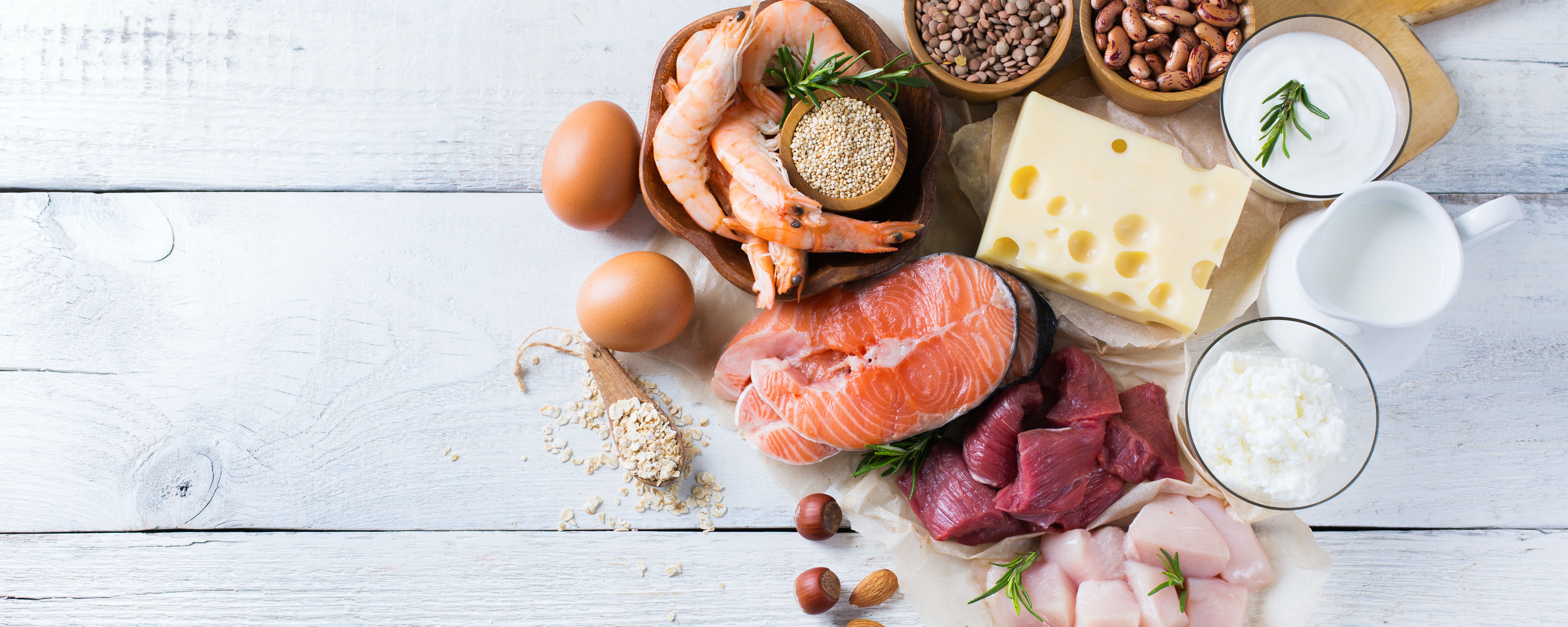
To ensure you’re getting enough protein each day, build your meals around a good protein source, such as:
- Lean meat like steak or ground beef
- Fish and shellfish
- Chicken
- Turkey
- Dairy products like cottage cheese and Greek yogurt
- Eggs
If you’re vegetarian or vegan, focus on plant-based proteins like:
- Tofu
- Tempeh
- Nuts (in moderation, as they can be higher in carbohydrates)
- Seeds
- Pea protein
- Lentils (in moderation, as they can be higher in carbohydrates)
- Beans (in moderation, as they can be higher in carbohydrates)
Of course, fiber and healthy fats are still an essential part of a good diet, so don’t forget to include fiber-rich, non-starchy vegetables and healthy fats in your meals.
2. Add protein to meals you already eat
Add Virta-approved high protein ingredients like Greek yogurt and chia seeds to your smoothies, cottage cheese to your bowls, eggs to salads, tuna to lettuce wraps, chicken to soup and shrimp or tofu to stir-fries.
3. Choose higher-protein versions of foods
Go for:
- Greek yogurt instead of regular yogurt or sour cream
- Cottage cheese instead of heavy cream in sauces
- Parmesan crisps instead of crackers
- Bone broth instead of regular chicken or beef broth
- Crushed pork rinds or grated Parmesan cheese instead of breadcrumbs
- Egg or cheese wraps instead of tortillas
4. Use protein boosters
Protein powder, bone broth, chia seeds, eggs, cheese, and hemp seeds can all be easy ways to add more protein to each meal.
5. Eat protein earlier in the day
Start your day with a high-protein breakfast, rather than opting for a high-carb, lower-protein option like toast or oatmeal. Check out these delicious Virta-approved high-protein breakfast ideas.
6. Keep easy, no-prep protein options on hand
Go for simple protein options that require little to no prep, like:
- Rotisserie chicken
- String cheese
- Tuna packets
- Greek yogurt
- Sliced deli turkey
- Cottage cheese
- Jerky or meat sticks with minimal or no added sugar
- Edamame
- Hard-boiled eggs
- Canned salmon
- Bone broth
7. Think About Protein Per Meal
If you need to reach 100 grams of protein per day, for example, aim for 25 to 35 grams of protein per meal, plus one protein-rich snack.
FAQs About Increasing Protein Intake
How can I increase my protein intake without eating more food?
Choose protein-dense foods whenever possible, like fish, poultry, cottage cheese, lean meat, Greek yogurt, eggs or tofu.
What are the easiest high-protein foods to add to meals?
The easiest high-protein foods are those that require little to no prep, such as tuna packets, canned salmon, cottage cheese, Greek yogurt, string cheese, bone broth, sliced deli meat, low-sugar meat sticks or jerky, hard-boiled eggs and rotisserie chicken.
How much protein should I eat on Ozempic or Zepbound?
There’s no single protein target for everyone on Ozempic or Zepbound. Your needs will depend on your weight, appetite, weight-loss pace, medical history, age and activity level. Ask your healthcare provider or dietitian about what’s right for you.
What happens if I don’t eat enough protein on Ozempic?
Not eating enough protein while taking Ozempic could lead to difficulty maintaining your muscle mass, lower overall nutrient intake and less satisfaction from your meals.
Is 100 grams of protein a day enough?
For some people yes, but it depends on your body weight. Aim for 1.2–2.0 grams of protein per kilogram of body weight.
The Takeaway
Getting more protein doesn’t have to be complicated. Build your meals around protein, use simple, low-prep options and spread your protein intake throughout the day. If you’re taking Ozempic, Zepbound or another GLP-1 medication, protein planning can be especially helpful as your meals may be smaller.
If you are looking to lose weight and want to live a healthier lifestyle, Virta Health may be able to help. By making healthy lifestyle changes in a medical setting with supportive resources like 1:1 virtual coaching, you can regain control of your health and feel like yourself again. See if you’re eligible for Virta Health here.
This blog is intended for informational purposes only and is not meant to be a substitute for professional medical advice, diagnosis, or treatment. Always seek the advice of your physician or other qualified health provider with any questions you may have regarding a medical condition or any advice relating to your health. View full disclaimer
Are you living with type 2 diabetes, prediabetes, or unwanted weight?