Three Factors to Consider When Building Your GLP-1 Benefits Strategy




Key Takeaways
- Building a GLP-1 strategy requires more than a coverage decision. Organizations should align decisions around access, fulfillment, and clinical support to maximize long-term value.
- Every lever involves tradeoffs. Decisions around eligibility, fulfillment, and support all influence pharmacy spend, member experience, and outcomes.
- Strong clinical support helps organizations translate GLP-1 investments into sustained health improvements.
Building a GLP-1 strategy is more complex than ever. Rising utilization, increasing member demand, new fulfillment models, and growing pressure to demonstrate long-term value have made GLP-1 benefit design far more nuanced than a simple coverage decision.
Those seeing the greatest success aren't just deciding whether or not to cover GLP-1s–they're building a comprehensive metabolic health strategy around them.
That strategy should answer three questions:
- Who gains access to GLP-1s? And when?
- How are GLP-1 medications fulfilled?
- What clinical and nutrition support will be provided alongside the GLP-1 medications?
Each lever serves a different purpose, and all three work together to determine both cost and long-term member success.
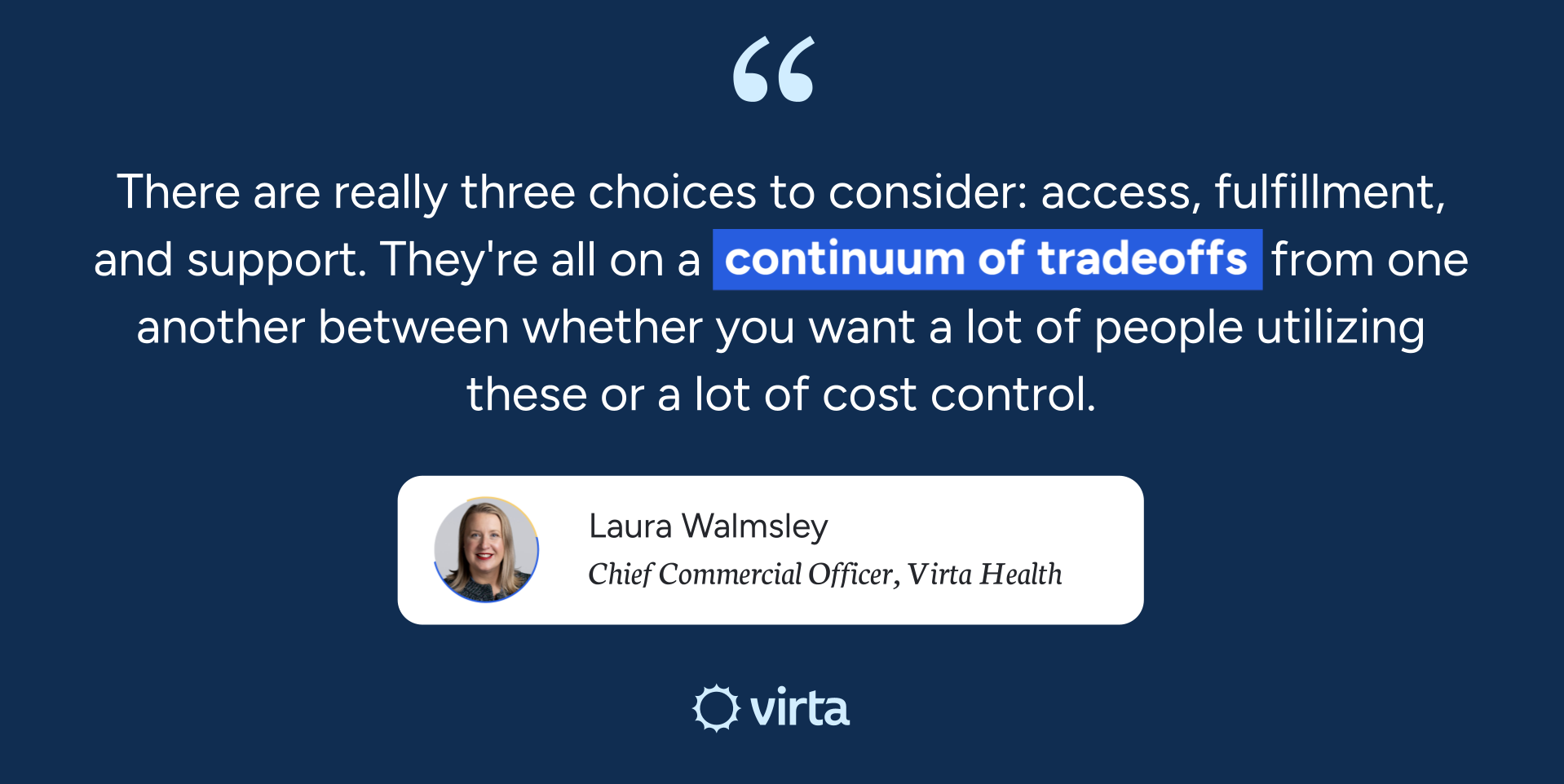
Access: Who is Eligible for a GLP-1 Medication
The first lever of any GLP-1 strategy is determining who has access to the medication.
For employers and health plans, access decisions play an important role in balancing member demand with pharmacy spend. Utilization management strategies help organizations define the appropriate eligibility criteria while ensuring medications are prescribed and used responsibly.
Organizations have several utilization management strategies available, including:
- Prior authorization requirements
- Step therapy protocols
- Coverage criteria based on factors like BMI or comorbidities
- Restricted prescriber networks
- Limited drug coverage
There isn’t a single right approach. Each organization will make different decisions based on its goals, population, and budget. Some may prioritize broader access to improve member experience, while others may introduce tighter utilization management to control pharmacy costs.
Fulfillment: How Members Receive Medication
Ensuring medication is accessed responsibly is only the first step. Organizations must also decide how those medications are delivered.
Fulfillment strategy has become an increasingly important lever as new distribution models have emerged. It can have a significant impact on pharmacy spend, operational complexity, and overall member experience.
Today, organizations have more fulfillment options than ever, including:
- Traditional pharmacy benefit manager (PBM) channels
- Direct-to-manufacturer programs
- Emerging direct-to-employer models
Each approach comes with its own tradeoffs. Traditional PBM channels may offer familiarity and established workflows. Direct-to-manufacturer or direct-to-employer models may create opportunities to lower drug costs or create member-cost sharing models.
Support: The Infrastructure for Long-Term Success
Once members receive the medication, the focus shifts from delivering the prescription to delivering the clinical care that helps people use it safely and effectively in the long term.
Even the most effective access or fulfillment strategy doesn't guarantee that members achieve sustained health improvements. This is where the third (and often overlooked) lever becomes critical: support.
Clinical oversight helps organizations maximize the value of their GLP-1 investments by supporting patients through every stage of treatment.
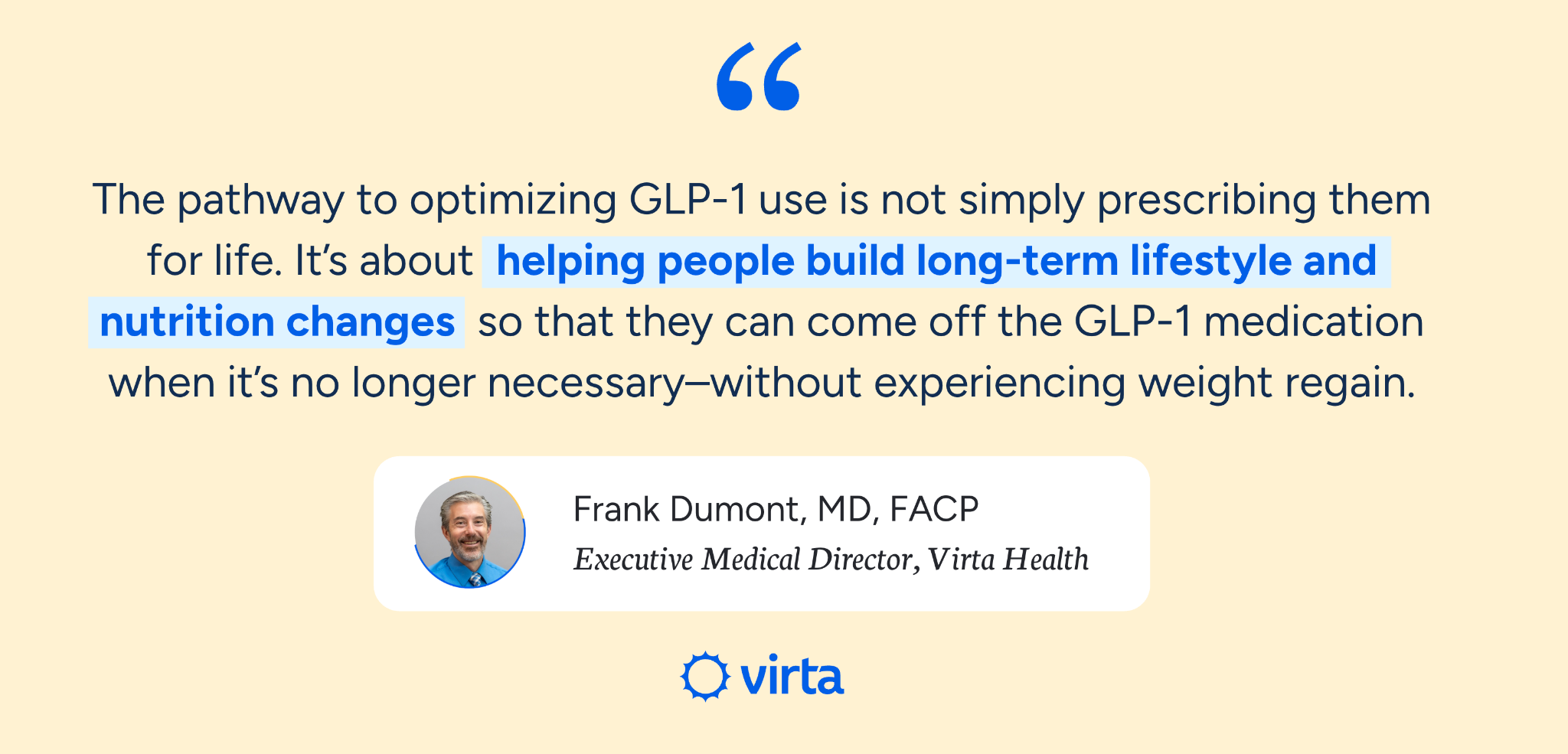
Responsible Prescribing
Support begins before the prescription is even written. Responsible prescribing helps ensure the right members receive medication based on appropriate clinical criteria, helping organizations balance member demand with safe, evidence-based care.
Provider Oversight
GLP-1 therapy requires ongoing clinical management. Provider oversight helps members navigate side effects, make dose or medication adjustments as needed, and stay engaged with care.
Personalized Nutrition
Medication is just one tool in a metabolic health plan. Personalized nutrition and health coaching help members build sustainable habits that complement GLP-1 therapy and support long-term behavior change, so that outcomes last.
GLP-1 Off-Ramps
Not every member will remain on a GLP-1 indefinitely. Whether due to side effects, achieving their health goals, or a preference for a drug-free approach, members who discontinue treatment should have a clinically guided pathway forward that helps them maintain results after medication.
![Only 8% remain on GLP-1s for weight loss at 3 years [source: GLP-1 Therapy to Treat Obesity Among Members Without Diabetes: Three-Year Persistence and Year-Over-Year Persistence Rate Change, Prime Therapeutics, June 25, 2025]](https://cdn.prod.website-files.com/63bc6cdba9784b6ec05f51aa/6a7b591b012e07daa0d7adb2_67143ed7.png)
Together, these components create the infrastructure that helps members use GLP-1s safely, effectively, and successfully over the long term. Personalized nutrition and clinical support is the difference between simply paying for GLP-1s and generating lasting health improvements from the medication when taken.
Balancing the Three Levers of GLP-1 Strategy
Access, fulfillment, and support are distinct decisions, but they are not independent ones. Together, they form a comprehensive GLP-1 strategy, and changes to one lever often influence the others.
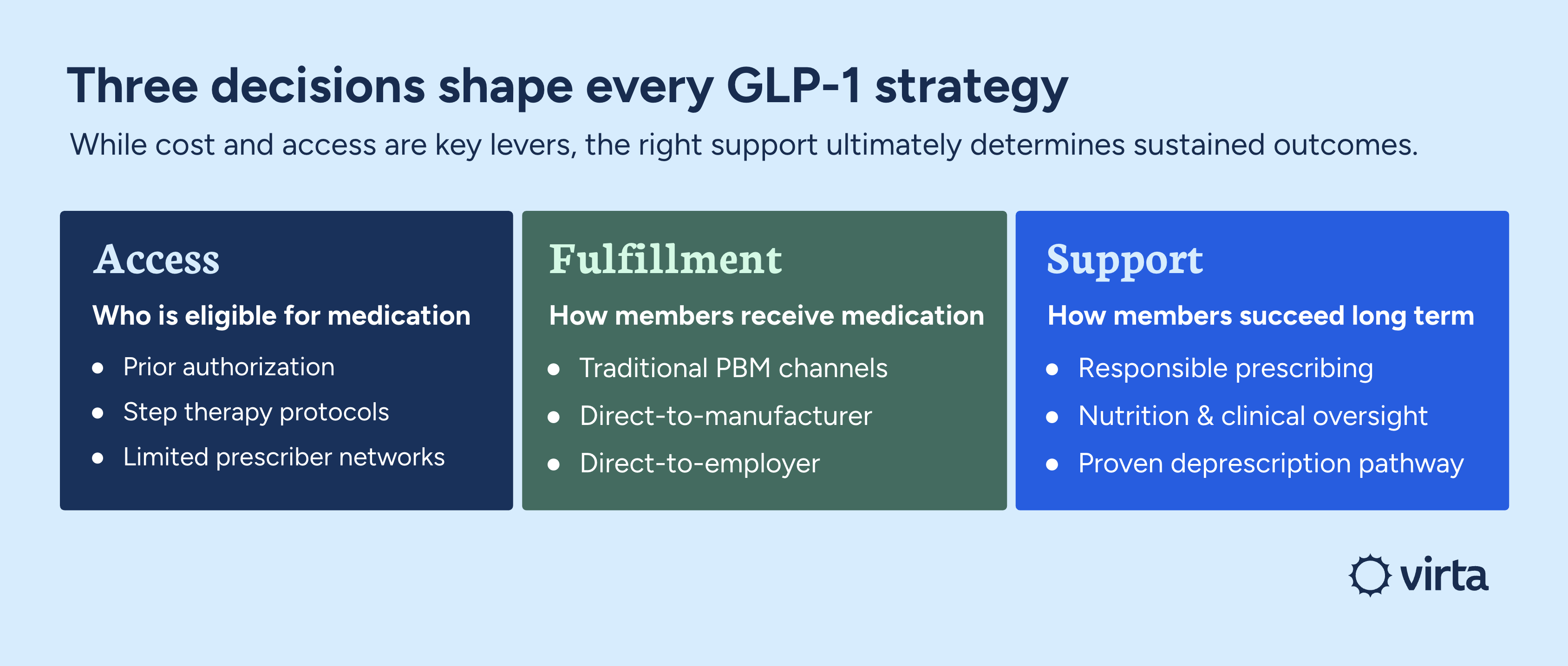
Organizations must continually balance tradeoffs between cost, member experience, and operational complexity.
For example, expanding GLP-1 access may help more members receive the medication, but it can also increase pharmacy spend–particularly if the GLP-1 isn't paired with the clinical support needed to promote sustained success.
Organizations may choose different access and fulfillment models depending on their goals, budget, and population.
What remains consistent is the need for strong clinical and personalized nutrition support. Regardless of how medications are covered or delivered, support helps members:
- Safely initiate therapy
- Stay engaged with treatment
- Navigate medication changes and side effects
- Build healthy habits
- Sustain outcomes over time, even after GLP-1s
Turning GLP-1 Investments into Long-Term Value
The GLP-1 landscape will continue to evolve. As new medications and indications enter the market, organizations will need flexible strategies to adapt alongside them.
Rather than viewing access decisions in isolation, employers should build a comprehensive strategy that aligns utilization management, fulfillment, and clinical support to maximize both member outcomes and long term value.
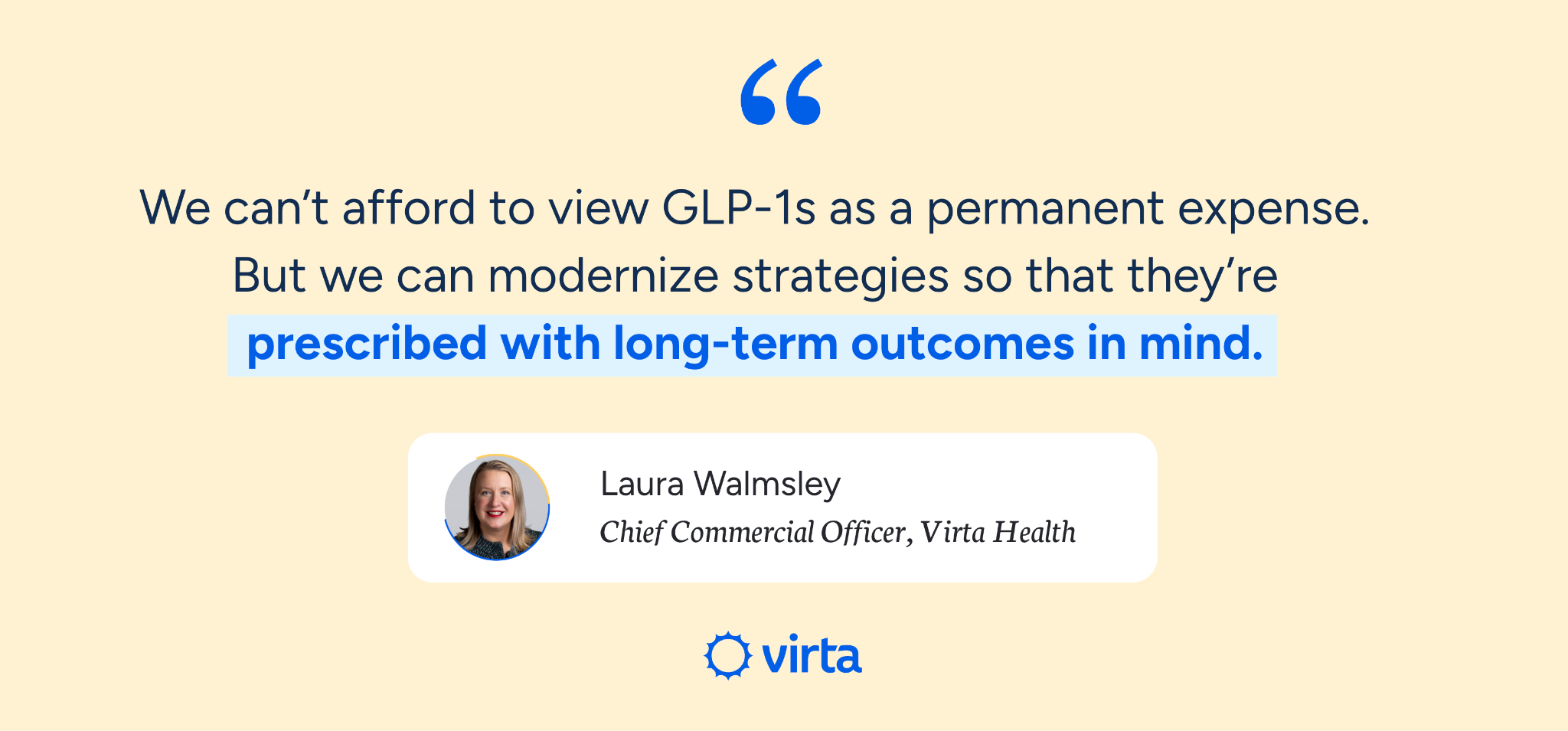
Building a comprehensive GLP-1 strategy doesn't require becoming a GLP-1 expert. An experienced partner like Virta, with more than a decade of experience prescribing and managing GLP-1s in the real world, can help organizations evaluate the tradeoffs between different strategies, adapt as the market evolves, and build an approach that aligns with their population's needs and organizational goals.
Learn how Virta helps organizations optimize every stage of their GLP-1 strategy.
Related Resources
Is your GLP-1 strategy built for lasting outcomes? [Checklist]
How to Turn GLP-1s into Lasting Outcomes [Guide]
Virta Vitals: The Rise of the GLP-1 Era [Consumer Survey Report]
This blog is intended for informational purposes only and is not meant to be a substitute for professional medical advice, diagnosis, or treatment. Always seek the advice of your physician or other qualified health provider with any questions you may have regarding a medical condition or any advice relating to your health. View full disclaimer
Are you living with type 2 diabetes, prediabetes, or unwanted weight?

1. GLP-1 Therapy to Treat Obesity Among Members Without Diabetes: Three-Year Persistence and Year-Over-Year Persistence Rate Change, Prime Therapeutics, June 25, 2025, https://www.primetherapeutics.com/documents/d/primetherapeutics/prime-therapeutics_glp-1-therapy-to-treat-obesity-among-members-withoutdiabetes_three-year-persistence