



Decades of metabolic health research supported by ongoing clinical studies
Clinical outcomes
Type 2 Diabetes
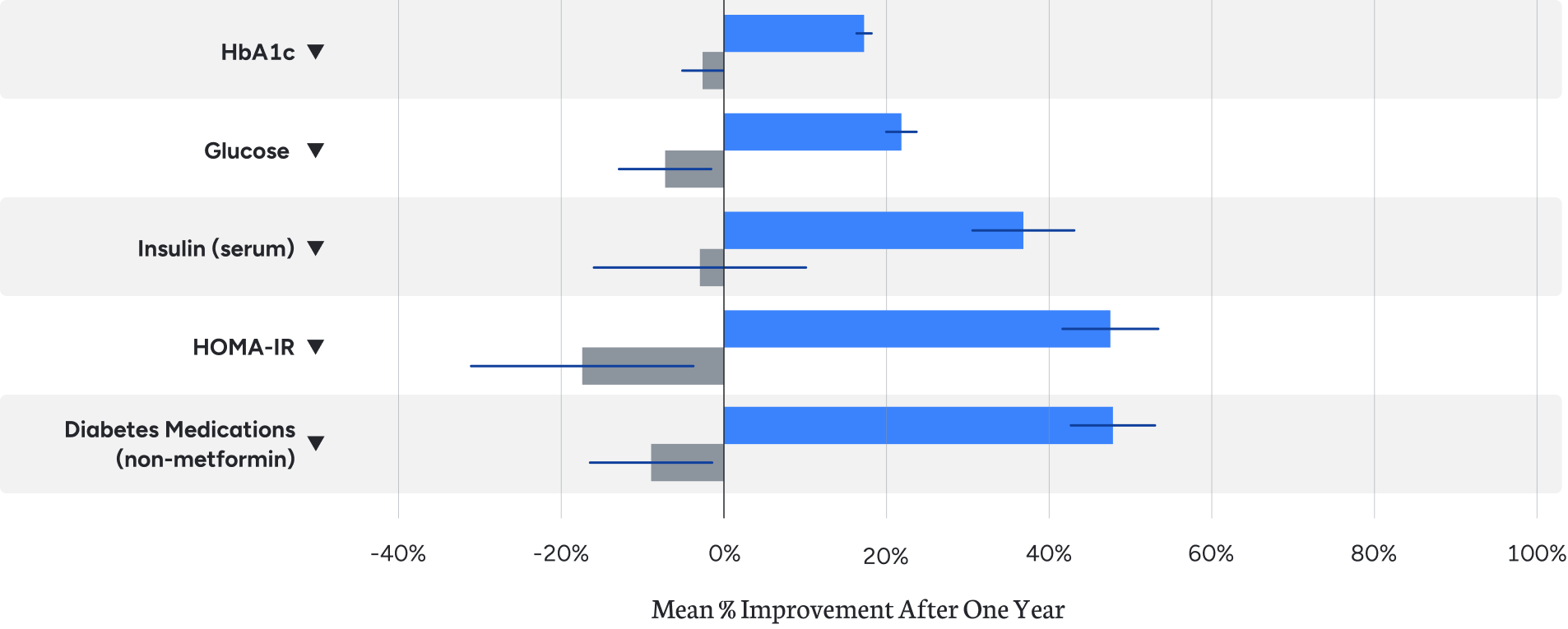
While reducing and eliminating glycemic control medications, Virta patients lowered HbA1c by 1.3% on average after one year and improved insulin resistance measured by HOMA-IR. 60% of patients enrolled one year attained an HbA1c below 6.5% without the use of diabetes medications other than metformin.¹

Obesity
Excess weight represents risk for both type 2 diabetes and cardiovascular disease. Virta patients with type 2 diabetes sustained the loss of 12% of their body weight over the year. The prevalence of class III obesity among participants was reduced from 46% to 20%.¹

Atherogenic Dyslipidemia
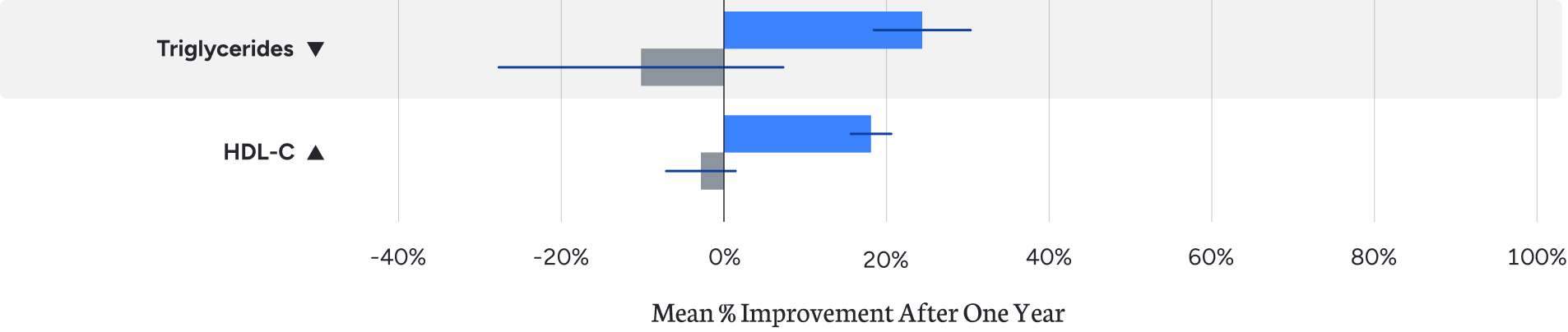
Characterized by high triglycerides and low HDL-C, atherogenic dyslipidemia is common among patients with insulin resistance and represents increased cardiovascular risk. Virta patients improved both markers, with the TG/HDL-C ratio declining from 4.7 to 3 on average.¹
Hypertension
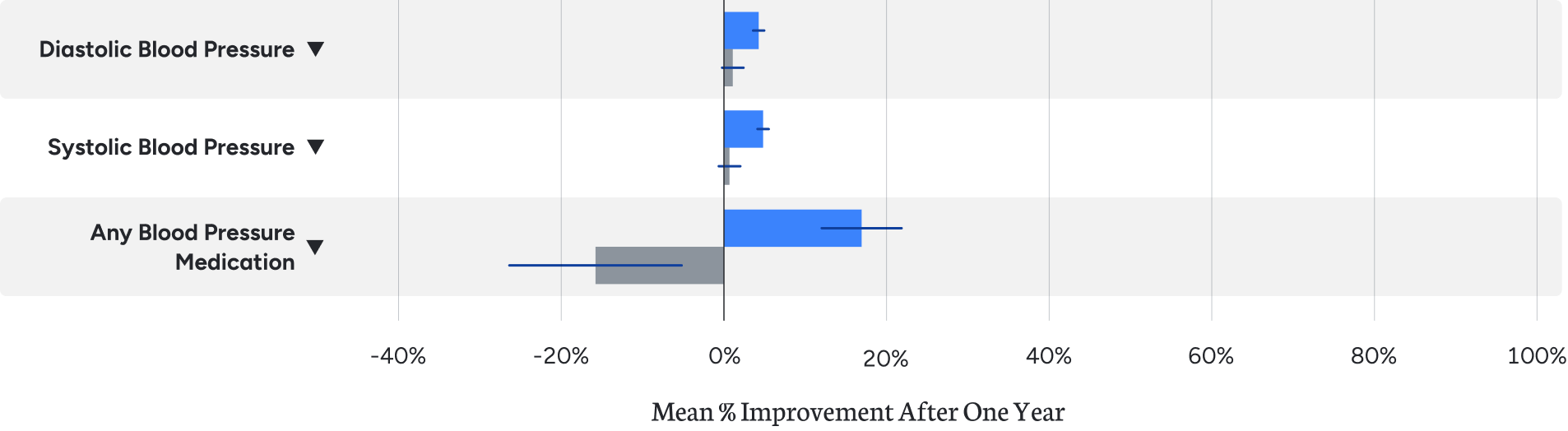
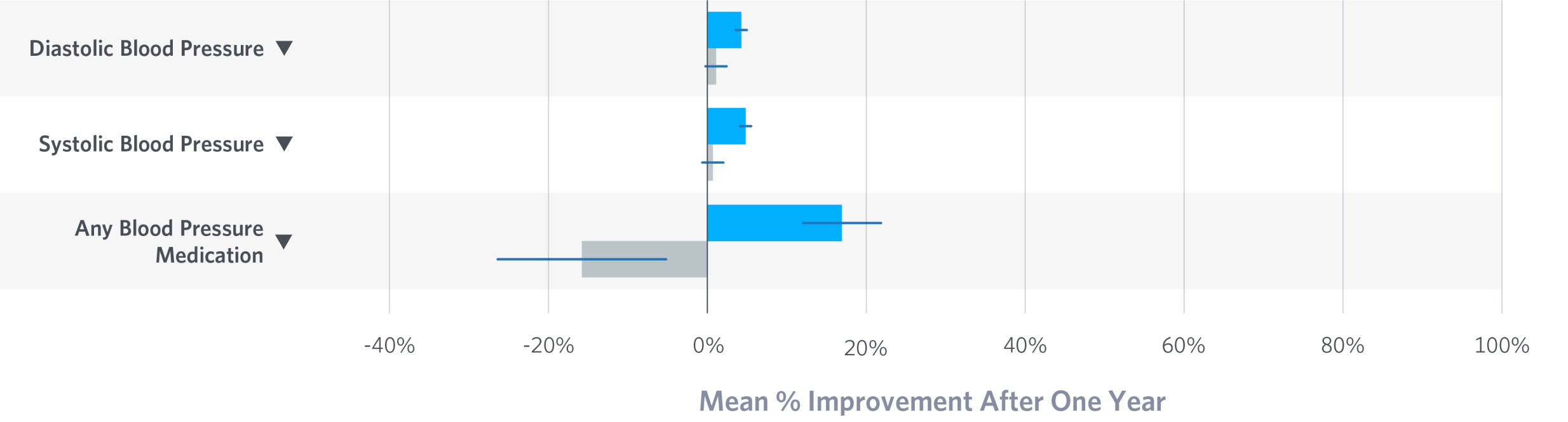
Elevated blood pressure, especially in the presence of additional risk factors, increases cardiovascular risk. Virta patients reduced blood pressure and the need for antihypertensive medication, especially diuretics.¹
Inflammation
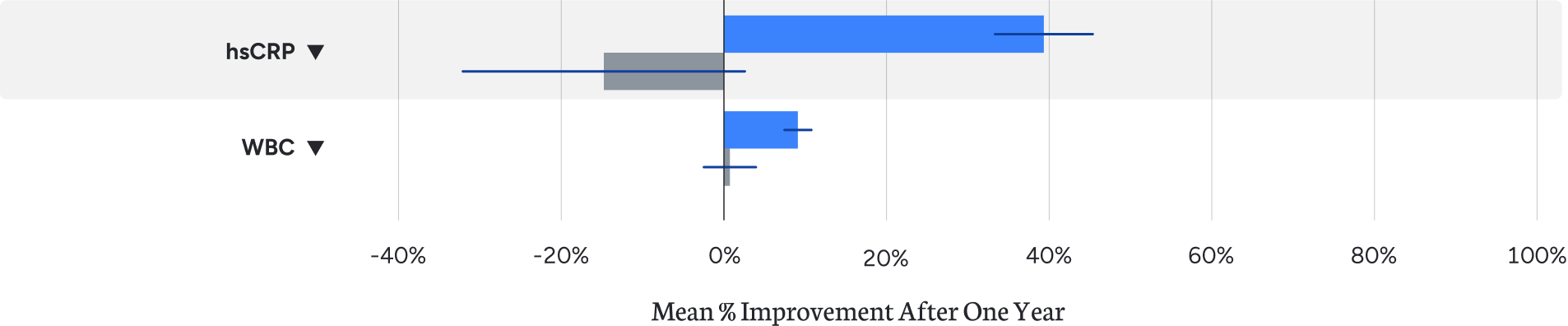
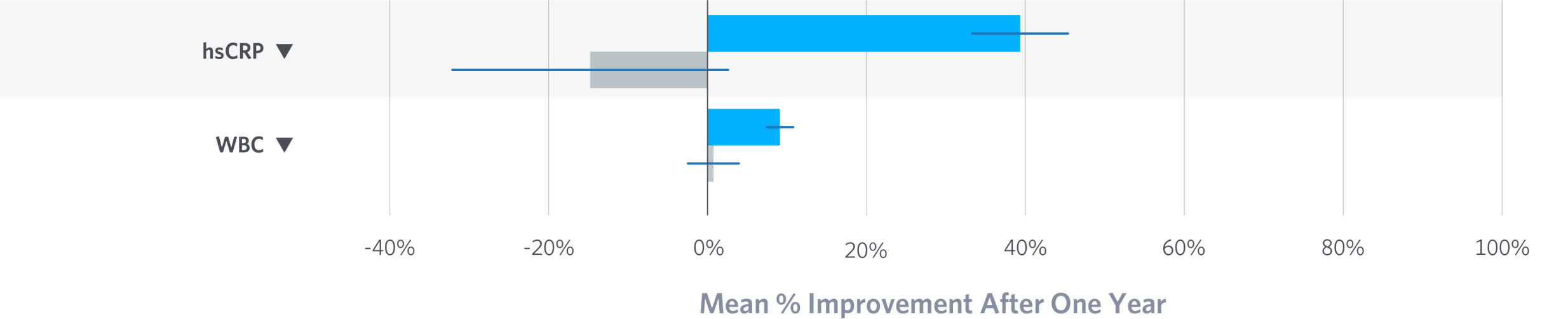
Inflammation is a common underlying factor in obesity, insulin resistance, hypertension, and cardiovascular disease. C-reactive protein and white blood cell count, common markers of inflammation, were significantly reduced in Virta patients with type 2 diabetes.¹
Safety
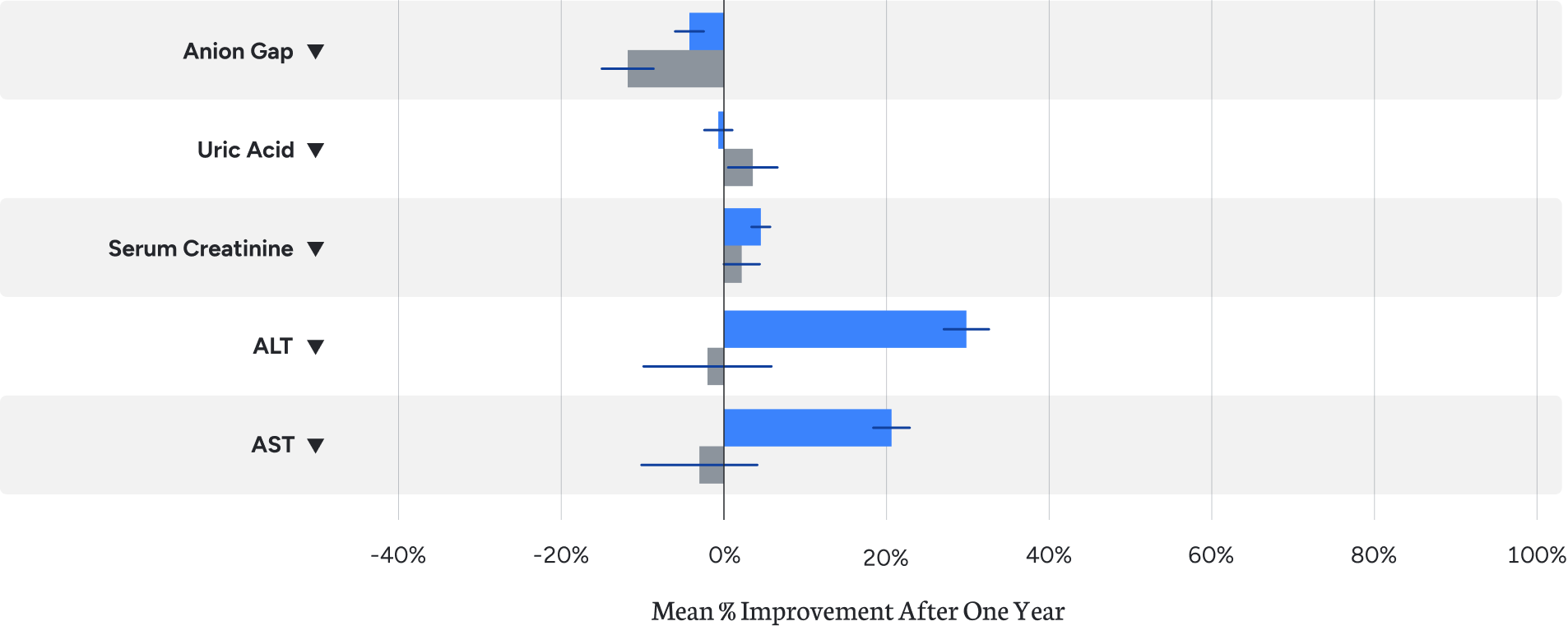
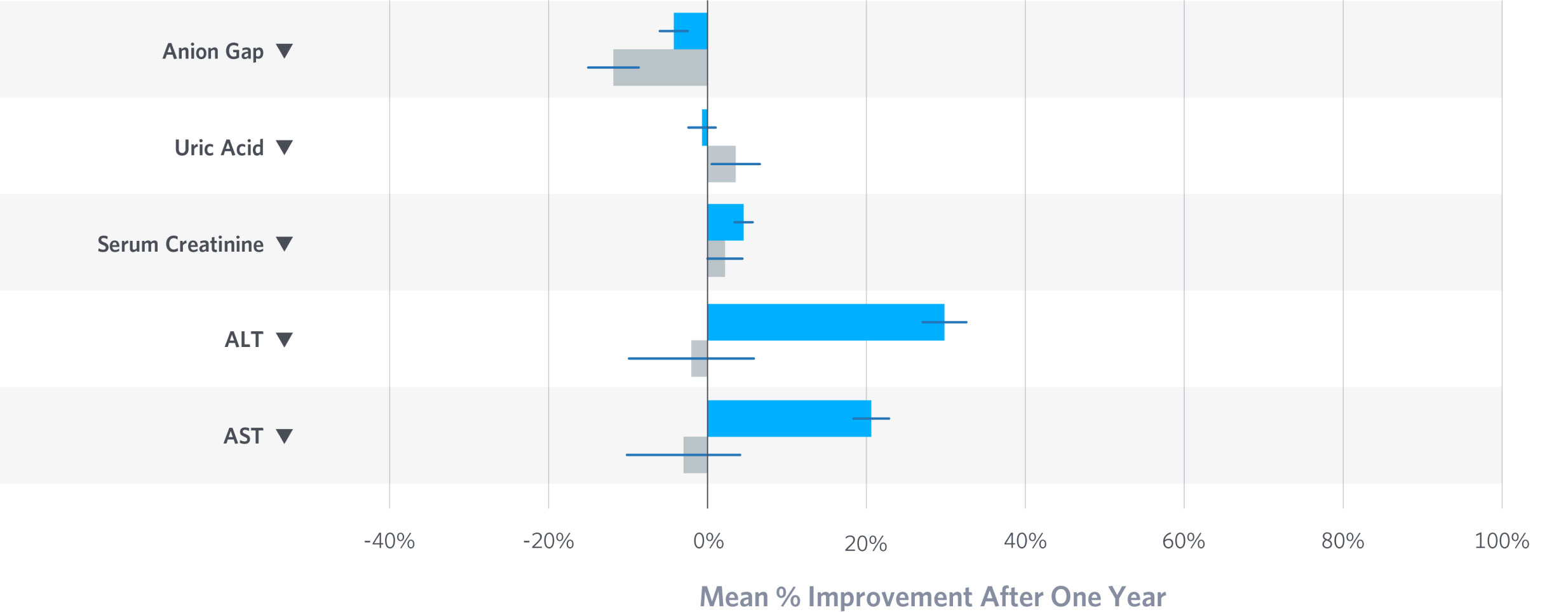
A common concern in the treatment of type 2 diabetes is hypoglycemia. In our clinical trial, no hypoglycemic events requiring assistance were reported. Additionally, treatment at Virta resulted in neutral or positive effects on markers of kidney and liver function.¹
Cardiovascular Risk Measures
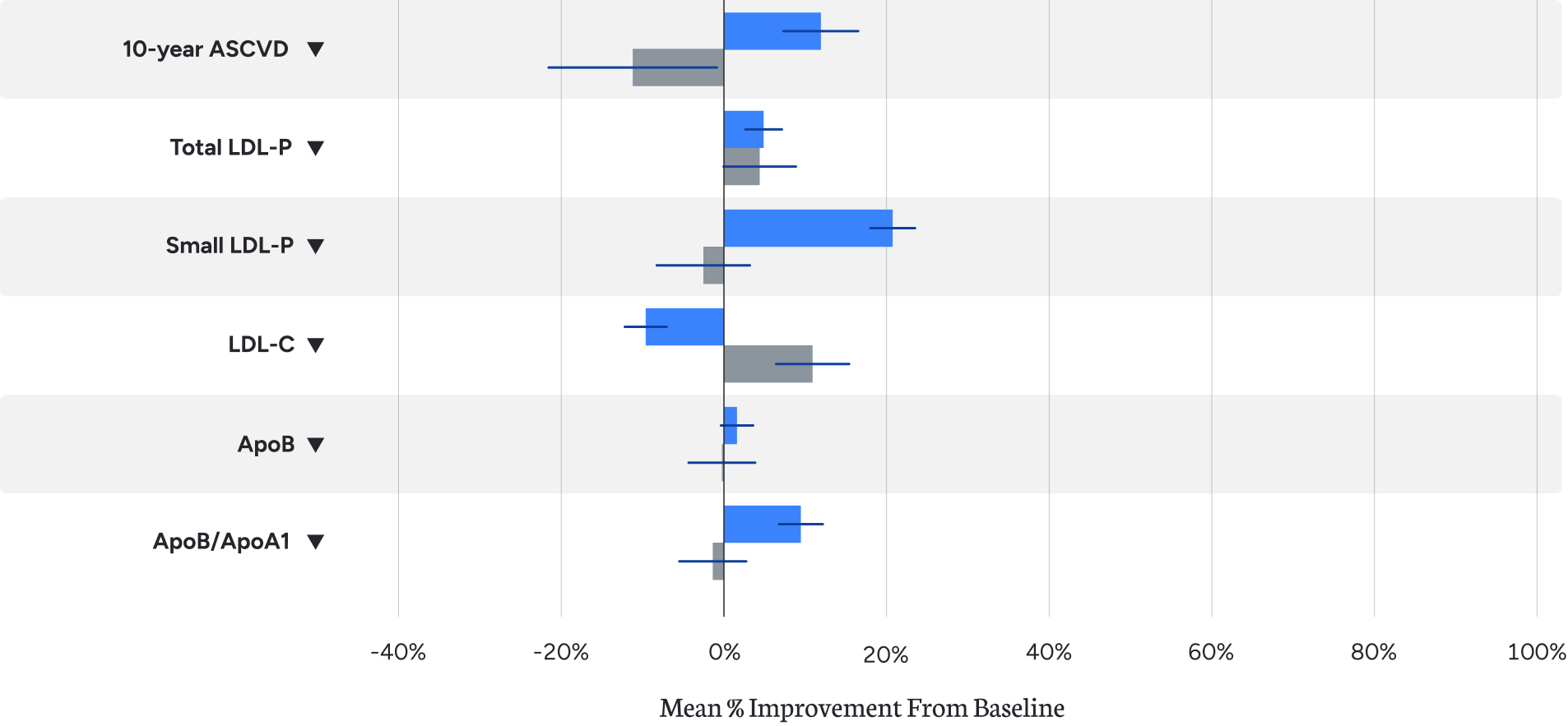
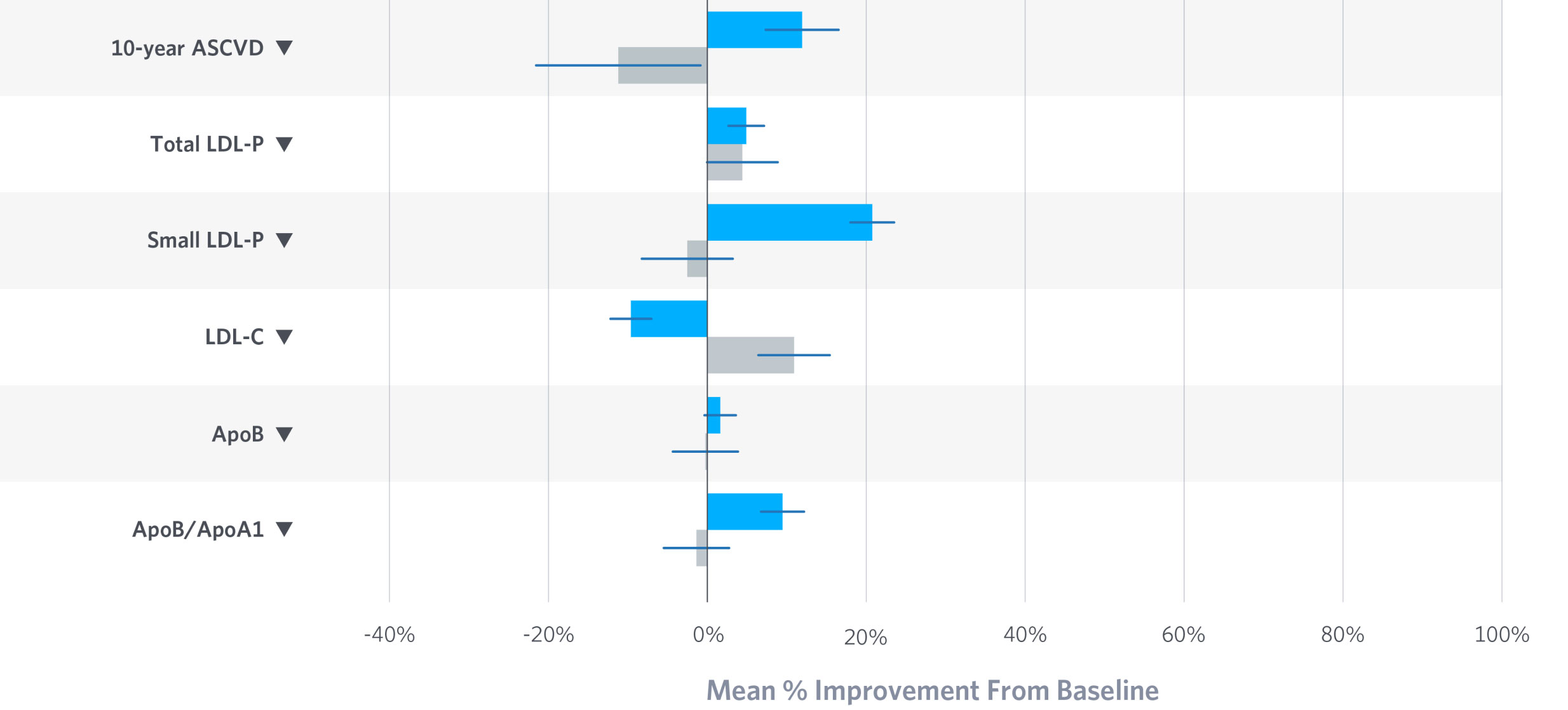
10-year ASCVD risk score improves after one year of the Virta Treatment. Most lipid and lipoprotein risk markers improved or were unaffected; an undesirable change was observed in one marker.¹
Type 2 Diabetes
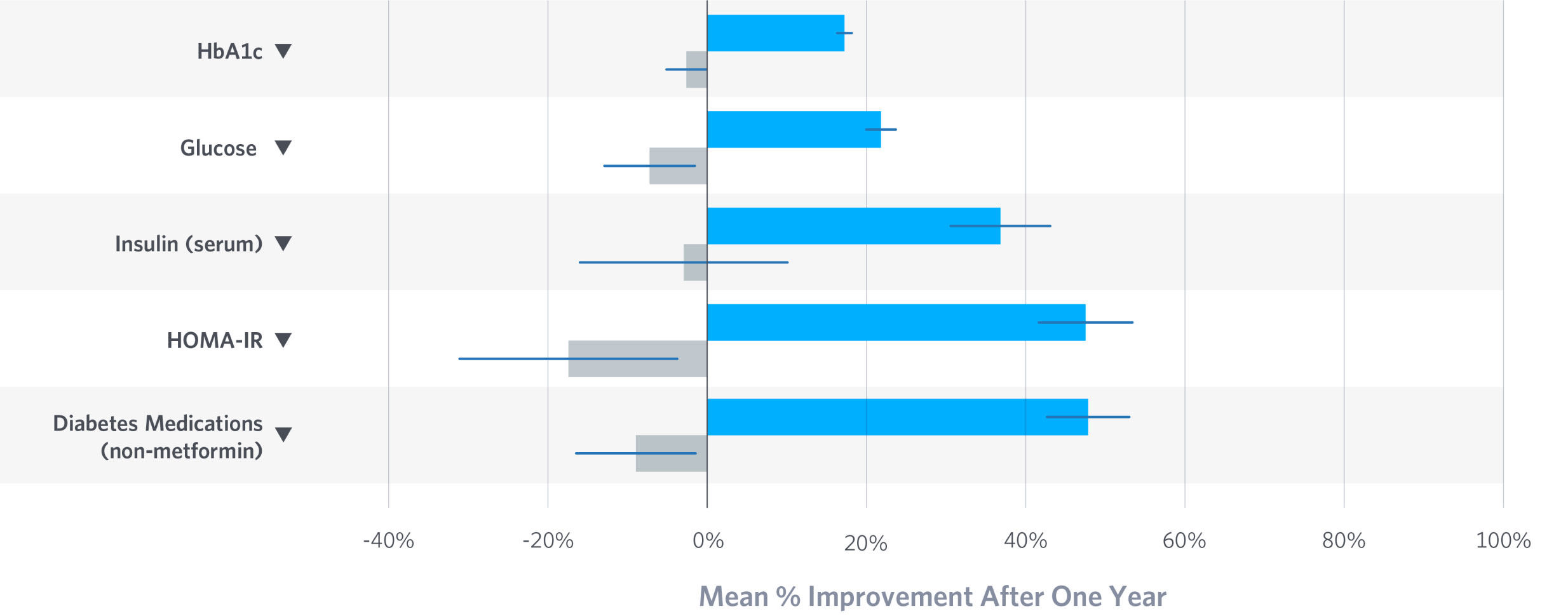
While reducing and eliminating glycemic control medications, Virta patients lowered HbA1c by 1.3% on average after one year and improved insulin resistance measured by HOMA-IR. 60% of patients enrolled one year attained an HbA1c below 6.5% without the use of diabetes medications other than metformin.

Obesity
Excess weight represents risk for both type 2 diabetes and cardiovascular disease. Virta patients sustained the loss of 12% of their body weight over the year. The prevalence of class III obesity among participants was reduced from 46% to 20%.

Atherogenic Dyslipidemia
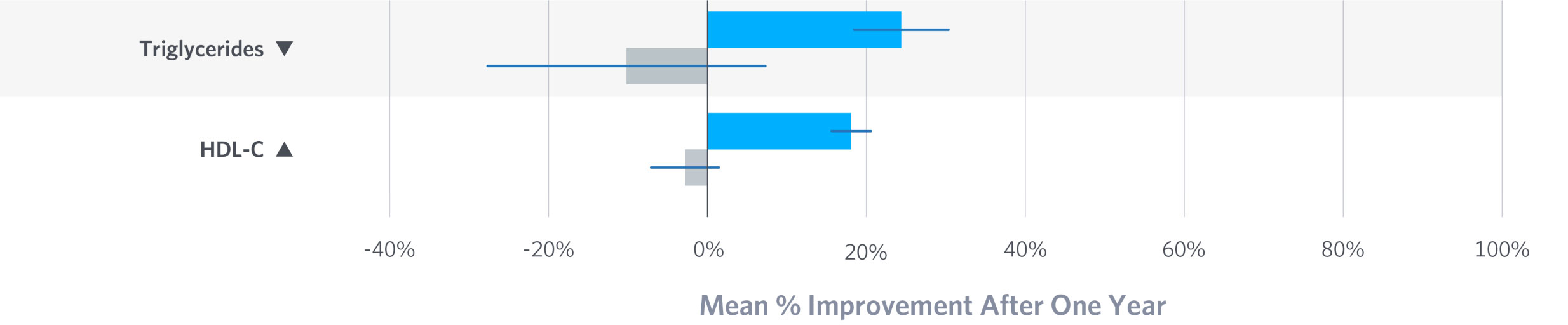
Characterized by high triglycerides and low HDL-C, atherogenic dyslipidemia is common among patients with insulin resistance and represents increased cardiovascular risk. Virta patients improved both markers, with the TG/HDL-C ratio declining from 4.7 to 3 on average.
Hypertension
Elevated blood pressure, especially in the presence of additional risk factors, increases cardiovascular risk. Virta patients reduced blood pressure and the need for antihypertensive medication, especially diuretics.
Inflammation
Inflammation is a common underlying factor in obesity, insulin resistance, hypertension, and cardiovascular disease. C-reactive protein and white blood cell count, common markers of inflammation, were significantly reduced in Virta patients with type 2 diabetes.
Safety
A common concern in the treatment of type 2 diabetes is hypoglycemia. In our clinical trial, no hypoglycemic events requiring assistance were reported. Additionally, treatment at Virta resulted in neutral or positive effects on markers of kidney and liver function.
Cardiovascular Risk Markers
10-year ASCVD risk score improves after one year of the Virta Treatment. Most lipid and lipoprotein risk markers improved or were unaffected; an undesirable change was observed in one marker.
Publications

Virta Health’s Nutrition-Based care demonstrates broad, sustained reductions in chronic inflammation
Significant improvements across 19 of 21 inflammatory markers after one year and broad, system-wide effects sustained through two years, finds new peer-reviewed study. No currently FDA-approved medication targets such a broad spectrum of inflammatory markers.
Landmark study finds Virta’s individualized nutrition therapy associated with 45% to 75% lower rates of MASH, advanced liver disease, and liver complications
A new peer-reviewed study demonstrates lower risk of developing serious liver disease, including metabolic dysfunction–associated steatohepatitis (MASH, an inflammatory condition), advanced liver disease, and advanced liver complications by 45% to 75%.

New Clinical Trial Shows Virta Health’s Nutrition Therapy extends survival by 34% in stage IV pancreatic cancer patients
A controlled Phase II clinical trial revealed that Virta’s medically supervised, individualized nutrition therapy shows promise in extending survival in patients with metastatic pancreatic cancer when used alongside chemotherapy. The trial demonstrated 34% extended life, and progression-free survival improvement by 37% – all without added toxicity or decline in quality of life.

Veterans using Virta’s remote ketogenic program sustain metabolic improvements for 3 years
In a 3-year observational study, U.S. veterans with type 2 diabetes saw durable HbA1c reduction (–0.8%), 9% weight loss, decreased diabetes medication use, and improved cardiometabolic markers. These results support Virta’s model as a long-term solution for chronic disease in high-risk populations.

Virta’s ketogenic care model may stabilize kidney function and lower inflammation in type 2 diabetes
In a post-hoc analysis of a two-year intervention, people with type 2 diabetes and reduced kidney function (eGFR <90) saw improved eGFR slopes and reduced inflammatory markers. Higher ketone levels were linked to greater renal benefits, supporting the safety of Virta’s approach in early-stage CKD.

Blood glucose meters perform as well as CGMs in Virta’s nutrition-based diabetes care
At 6 months in a randomized trial of people with type 2 diabetes following a carbohydrate-restricted nutrition program, both CGM and BGM users had similar HbA1c reductions (–1.3%) and improved time in range (from 61% to 87% for CGM, 63% to 88% for BGM). Both groups also lost weight. These findings suggest BGM may be sufficient for glycemic improvements in structured interventions.
Safety of very low carbohydrate nutrition and SGLT2-inhibition with remote monitoring
Very low carbohydrate nutrition, including ketogenic diets, are safe for people with type 2 diabetes on and off SGLT2 when delivered via continuous remote care.

Exploring the Potential of Nutritional Ketosis in Preserving Lean Mass
Weight loss (WL) is important for managing obesity and type 2 diabetes, but preserving lean body mass (LBM) during WL is also a key consideration. Preliminary post-hoc analyses from the Virta trial suggest that participants experienced minimal lean mass loss during weight loss, aligning with the Quarter Fat-Free Mass ratio benchmark of a 3:1 fat-to-lean mass ratio. Participants also showed improvements in physical function. Additionally, the data indicate that higher ketosis levels may be associated with better lean mass preservation, with a potential dose-response relationship observed.
Virta’s care model supports better weight loss and medication reduction when added to rural community diabetes programs
In a Colorado pilot study of adults with type 2 diabetes, both groups—community health support alone and combined with Virta’s continuous remote care—had significant HbA1c reductions (–1.2% and –1.5%). However, only the Virta group saw significantly greater ≥5% weight loss and medication burden reduction. These findings support integrating Virta’s model into rural programs to enhance outcomes.

Virta’s very low carbohydrate nutrition improves CGM metrics
Virta’s Very low carbohydrate nutrition approach improves CGM Time in Range, Time in Tight Range, and Time Above Range in people with type 2 diabetes.

Five Years of Sustained Cardiometabolic Improvements and Diabetes Remission Maintenance
Virta trial participants who remained in the study for five years demonstrated long-term improvements in body mass, triglycerides, fasting insulin, and HbA1c, along with an increase in HDL cholesterol. Results showed that 20% of participants achieved diabetes remission, with 15.8% maintaining remission at three years and 12.5% at five years. Among those who completed the five-year follow-up, 61.3% sustained at least 5% weight loss, while 39.5% maintained a 10% weight loss. These findings underscore that sustained diabetes remission is achievable and can have a meaningful impact on long-term diabetes management and outcomes.

Sustained weight loss after GLP-1 deprescription
The first known study to demonstrate sustained health improvements after GLP-1 deprescription, real-world Virta members with type 2 diabetes maintained beneficial effects on blood sugar and weight even after GLP-1’s were removed, making continued utilization unnecessary.
Sustained Impact of Virta on Health Outcomes, Medication Use, and Costs for Veterans with T2D
Virta partnered with the Veterans Health Administration to offer its program to Veterans with type 2 diabetes. Over 2 years, the program was associated with sustained improvements in health, reduced diabetes medication use, and lower outpatient and prescription drug costs, highlighting its potential to support both patients and healthcare systems.

Reduced COVID severity with weight loss on Virta
Among the risk factors for severe COVID-19 infection and death include type 2 diabetes and obesity, both of which Virta has demonstrated to favorably impact. In Virta members with T2D and obesity who reported a COVID-19 diagnosis, greater weight loss was associated with a lower likelihood of severe covid as measured by hospitalization.

Weight loss before and during the COVID-19 pandemic
The COVID-19 pandemic and lockdown period were associated with obesogenic lifestyle changes and increased risk of weight gain. Virta showed that it was equally effective and feasible to help patients with obesity maintain clinically significant weight loss before and during pandemic.

Long-term improvement in knee pain and function
Osteoarthritis (OA) is a painful and debilitating condition affecting more than 54 million U.S. adults (nearly 23%) annually. Among adults with diabetes, the prevalence of OA increases to an estimated 48.1%. Virta patients with type 2 diabetes, however, experienced significant long-term improvement in knee pain and function from baseline to two years.

Sustained improvement in depressive symptoms at 2 years
Virta patients experienced rapid and sustained improvement in depressive symptoms, with nearly one-third fewer patients meeting the clinical cutoff for depression at two years. Depressed patients followed a similar pattern of metabolic health improvement compared to those without a past diagnosis.
Real-World Rapid Improvements in T2D Outcomes, Healthcare Utilization, and Costs for Veterans
Virta partnered with the Veterans Health Administration to offer its program to Veterans with type 2 diabetes. At 5 months, the program led to significant improvements in blood sugar control, weight loss, reduced diabetes medication use, and lower outpatient visits and prescription drug costs, demonstrating early benefits for both health and healthcare utilization.

Prediabetes reversal and type 2 diabetes prevention
Virta studied the effects of its intervention in patients with prediabetes and found that only 3% of trial participants progressed to type 2 diabetes over a two year period. Over half of participants achieved normoglycemia, with 75% of patients retained at the two-year mark.

Pulmonary hypertension improvement: Case report
A patient with pulmonary hypertension and metabolic syndrome showed improvements with a year of nutrition intervention: NYHA functional class improvement from III to II, 34 kg weight loss, no longer needing supplemental oxygen at rest or with physical activity, as well as hemodynamic and spirometric improvements.

Long-term improvement in cardiovascular risk factors
At two years, Virta patients living with type 2 diabetes sustained improvements in multiple cardiovascular disease risk factors. This includes long-term improvement in traditional markers of atherogenic dyslipidemia (triglycerides and HDL cholesterol) and a substantial reduction in pro-atherogenic small LDL particles.

Two year, sustainable benefit to key diabetes outcomes
Virta trial patients experienced clinically significant improvements in HbA1c, metabolic syndrome rate, and markers of inflammation at two years. More than half of completers eliminated all medications (excluding metformin), and a significant portion of those individuals also had partial and complete diabetes remission.

Evidence of non-alcoholic fatty liver disease improvement
The only treatment currently endorsed by professional guidelines for non-alcoholic fatty liver disease (NAFLD) is weight loss. At one year, Virta patients on average lost 12% of body weight. Nearly 4 out of 5 patients lost more than 5% of their starting weight, which is associated with improvement in steatosis. Patients saw improvements in liver enzyme concentrations, surrogate scores for liver steatosis and fibrosis, and inflammation.

One-year sleep improvement in type 2 diabetes and prediabetes
People with T2D and prediabetes are more likely to experience some kind of sleep disturbance. The interrelationship between sleep and metabolic disease not only affects quality of life but also worsens insulin resistance and other cardiometabolic outcomes. Virta patients improved global sleep score after one year of treatment with 14.0% and 20.7% improvements in T2D and prediabetes, respectively.
Significant impact on cardiovascular risk factors
Cardiovascular disease (CVD) is a leading cause of death among adults with type 2 diabetes (T2D). Virta studied the cardiovascular disease risk factors in a cohort of patients living with (T2D), and found that Virta patients improved most biomarkers of CVD risk after 1 year, including blood pressure in the presence of reduced antihypertensive medications.
Continued improvement in health outcomes at 1 year
After one year of treatment, patients who chose Virta improved glycemic control and markers of other chronic conditions. 94% of patients on insulin reduced or eliminated their dosage. Average weight loss was 12%. Other improvements included markers of cardiovascular disease, inflammation, and liver function.

Rapid impact on type 2 diabetes
The first investigation of Virta’s novel care model demonstrated that patients could rapidly improve glycemic control through reductions in fasting blood glucose, HbA1c, and medication use after 10 weeks of treatment. Patients lost 7% of their body weight on average and reported less hunger.

Advancing science and medicine
- Hallberg SJ et al. Diabetes Therapy. 2018;9(2):583-612 and Bhanpuri NH et al. Cardiovasc Diabetol. 2018; 17:56.